What Is a Vermiculite Pool Bottom?
Vermiculite is a lightweight mineral aggregate that is mixed with cement and water to create a smooth, supportive base for a vinyl liner pool. It is not the final surface that touches the pool water. Instead, vermiculite is installed on the bottom of the pool before the vinyl liner is put in place.
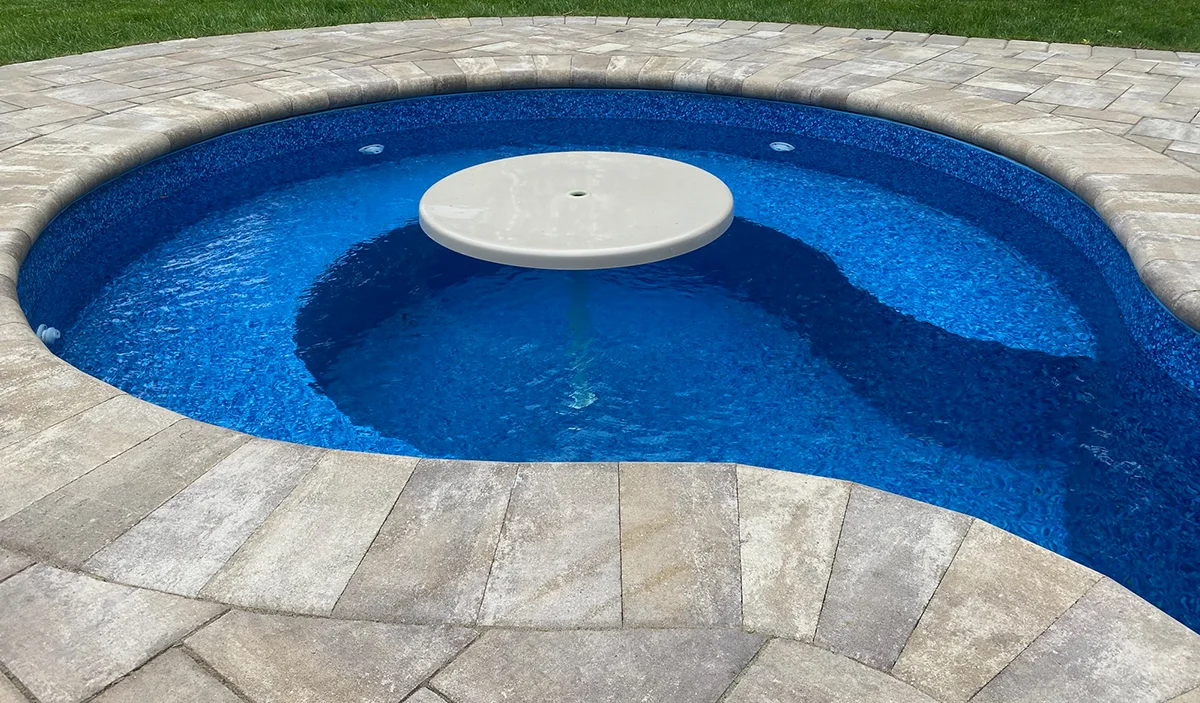
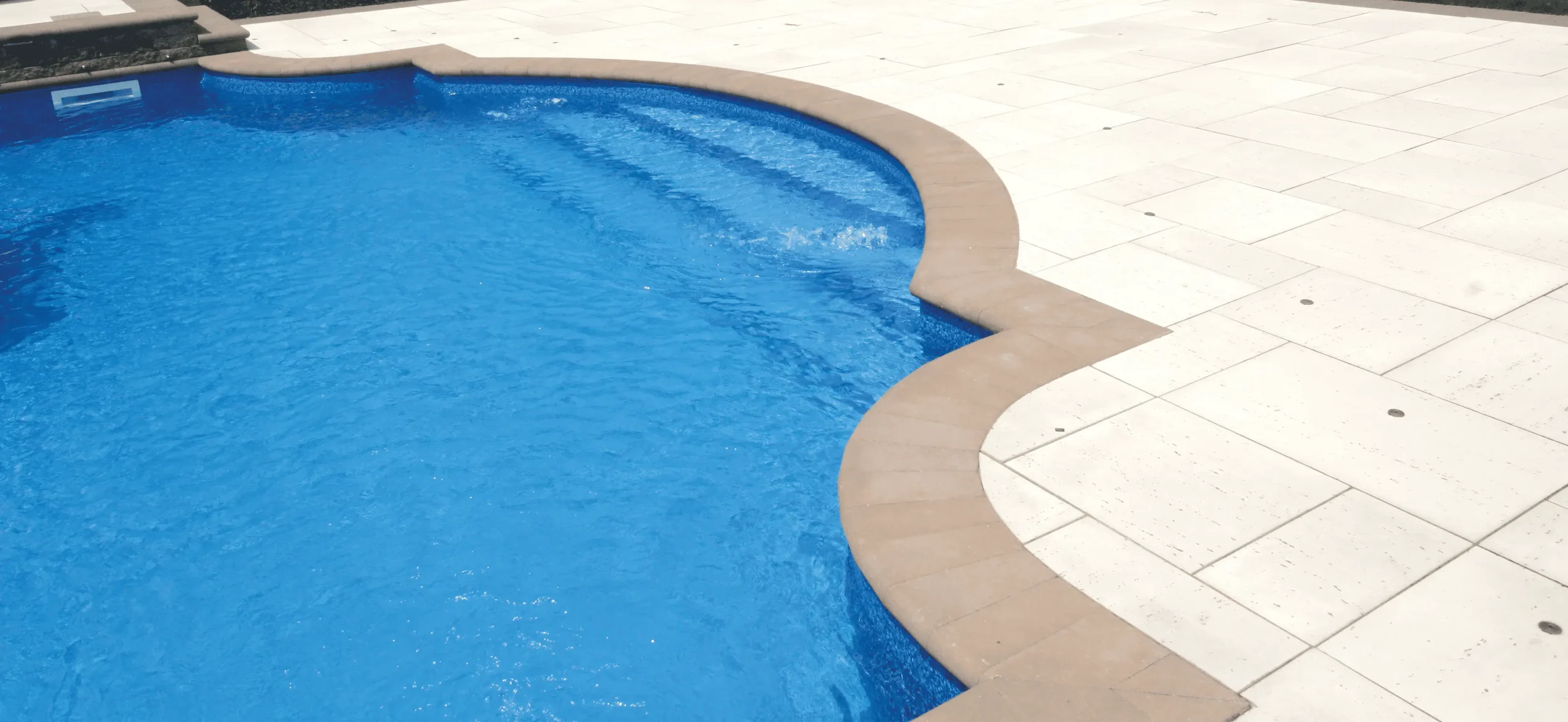
Once the vermiculite is shaped and smoothed, the vinyl liner is installed over it. The liner becomes the visible, waterproof surface of the pool, while the vermiculite remains underneath as the supportive floor system.
This distinction is important. Vermiculite is not chosen for visible color, decorative texture, or saltwater exposure. It is chosen because it helps create a cleaner, more stable, and more comfortable surface beneath the liner.
Why the Pool Bottom Matters
In a vinyl liner pool, the liner follows the shape of the surface beneath it. If the bottom has soft spots, footprints, dips, rough areas, or uneven transitions, those imperfections may eventually show through the liner or be felt underfoot.
That is why the pool base matters so much. A well-installed vermiculite bottom gives the liner a smoother foundation and helps the finished pool floor look and feel better once the pool is filled.
Compared to sand, vermiculite is more stable and less likely to shift. Sand can move, wash out, or develop uneven areas over time. Vermiculite creates a firmer base while still offering a slightly softer feel than some harder pool bottom materials.
How Vermiculite Helps Reduce Footprints and Floor Imperfections
One of the biggest benefits of a properly installed vermiculite pool bottom is that it can help reduce footprints, heel marks, and uneven areas beneath the vinyl liner.
When a pool bottom is too soft or unstable, foot pressure can leave impressions. Over time, those impressions may become noticeable through the liner, especially when the pool light is on or when sunlight hits the water at certain angles. A vermiculite and cement base helps create a more consistent surface, which reduces the chance of visible dents and soft spots.
This does not mean vermiculite makes the pool floor indestructible. Installation quality still matters. The material needs to be mixed correctly, spread evenly, shaped carefully, and troweled smooth. When that process is rushed or uneven, imperfections can still show through the liner.
For homeowners, the practical benefit is simple: a better pool bottom helps the finished vinyl liner look smoother and feel more comfortable.
Why Vermiculite Works Well for Vinyl Liner Pools
Vermiculite is commonly used in vinyl liner pool construction because it offers a useful balance of workability, comfort, and performance. It can be shaped to match the pool’s contours, including shallow ends, deep ends, slopes, coves, and custom pool designs.
It is also less abrasive than some rougher base materials, which can be helpful because the vinyl liner rests directly on top of it. A smoother base reduces unnecessary stress against the underside of the liner and helps support a cleaner finished appearance.
For Long Island homeowners, this is especially valuable because many pools are built in yards with changing soil conditions, drainage considerations, and seasonal freeze and thaw cycles. A professionally installed pool bottom helps create a more dependable foundation before the liner is installed.
Installation Quality Makes the Difference
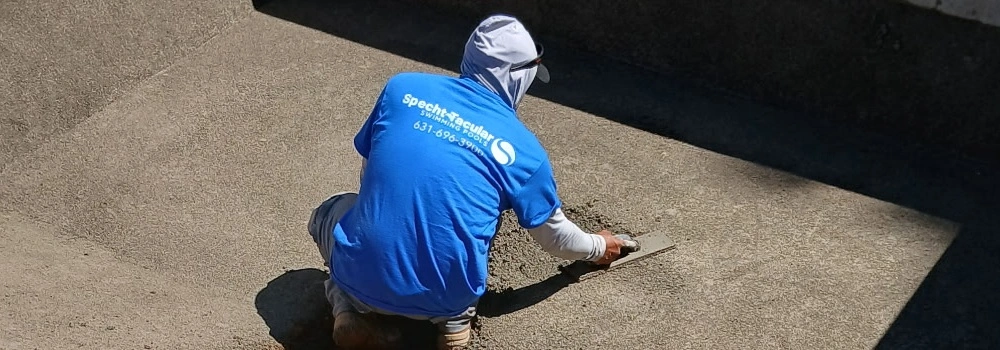
The performance of a vermiculite pool bottom depends heavily on the installer. The pool floor needs to be prepared correctly before the vermiculite is applied. The mixture needs the right consistency so it can be shaped and smoothed without becoming too wet, too dry, too soft, or too brittle.
During installation, the crew trowels the vermiculite into place and works carefully around slopes, corners, steps, and wall transitions. The goal is to create a smooth base with consistent thickness and proper drainage contours.
Once the vermiculite has cured, the vinyl liner can be installed over it. At that point, the quality of the base plays a major role in how the finished pool floor looks and feels.
Vermiculite Is Not a Decorative Finish
Because vermiculite sits underneath the vinyl liner, it is generally not selected for its final color or decorative appearance. Homeowners do not see the vermiculite once the liner is installed.
The visible color of the pool comes from the vinyl liner pattern, liner material, water depth, sunlight, and surrounding design elements. If a homeowner wants a certain water color or interior look, the liner selection is what matters most, not the color of the vermiculite base.
This is why tinting vermiculite is usually not a meaningful selling point for a vinyl liner pool. The better selling point is the quality of the pool bottom underneath the liner.
Long-Term Value for Long Island Pool Owners
A quality vermiculite bottom can improve the long-term appearance and comfort of a vinyl liner pool. By creating a smoother foundation, it helps reduce the risk of visible imperfections and gives the liner better support.
For homeowners investing in a new pool, liner replacement, or pool renovation, the bottom should not be treated as an afterthought. The part you do not see after installation can make a big difference in how the pool looks and feels for years.
To learn more about Specht-Tacular’s pool construction process, visit the pool design and construction page or contact us to schedule a consultation.
Frequently Asked Questions
Yes. In a vinyl liner pool, vermiculite is installed first as the pool bottom or base material. After it is shaped, smoothed, and cured, the vinyl liner is installed over it. The pool water touches the vinyl liner, not the vermiculite.
No. In a standard vinyl liner pool, vermiculite does not come directly in contact with the pool water. It sits underneath the liner and serves as the supportive base for the finished pool floor.
A properly installed vermiculite bottom can help reduce footprints, heel marks, soft spots, and uneven areas compared to less stable pool bottom materials such as sand. It does not guarantee a perfectly flawless floor, but it gives the vinyl liner a smoother and more stable surface to rest on.
Vermiculite is used because it creates a smooth, supportive, and slightly forgiving base beneath the vinyl liner. It can be shaped to the pool’s contours and is less likely to shift than sand when installed properly.
No. Once the vinyl liner is installed, the vermiculite is covered. The visible color and pattern of the pool interior come from the vinyl liner, not the vermiculite underneath.
For many vinyl liner pools, vermiculite is preferred over sand because it is more stable and less likely to shift. Sand can move or wash out over time, which may create dips or uneven areas beneath the liner. Vermiculite provides a firmer and smoother base when installed correctly.