When planning an inground pool, homeowners tend to think first about its length, width, shape, and where it will sit in the backyard. Depth can get much less attention. It should not.
The depth of an inground pool changes how the pool feels, how much usable space it provides, which activities work well in it, and how family members of different ages can enjoy it. A deeper pool is not automatically a better pool. In many cases, a thoughtful combination of depths creates a pool that gets far more use.
For Long Island homeowners designing a custom inground pool, the best depth depends on what you want to do once you are in the water.
Start With How Your Family Will Use the Pool
There is no single ideal depth for every inground pool. A family that expects to spend summer afternoons standing in the water, talking with friends, and playing with children has different needs from someone who primarily wants to swim. Add pool steps, benches, a tanning ledge, or other features, and the way the available water depth is distributed becomes even more important.
Before choosing depths, think about the people who will use the pool most often. Will adults spend a lot of time standing and socializing? Will children be using it regularly? Do you want room for swimming and games? Are built-in seating areas important? Do you expect the way your family uses the pool to change over the years? Those questions can be more helpful than starting with a particular number.
A Shallow Area Can Be Some of the Most Useful Space in the Pool
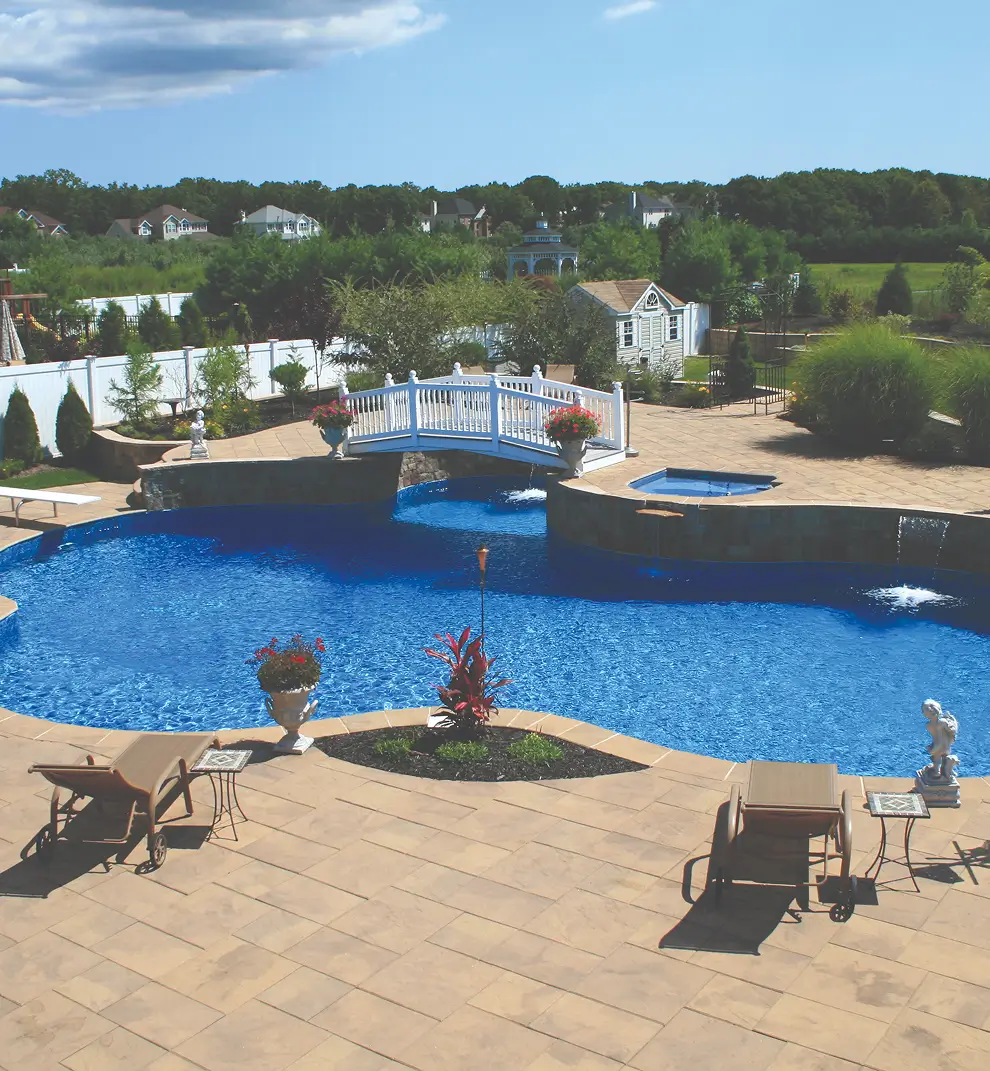 People sometimes hear the word “shallow” and assume it means less desirable. In a well-designed pool, the opposite can be true. A shallower section gives swimmers a place where they can comfortably stand. It can work well for conversation, casual play, entering and leaving the pool, and simply cooling off without continuously swimming. That makes shallow water particularly valuable in a pool designed for entertaining.
The amount of shallow space matters too. If a pool drops into deeper water very quickly, there may be less area where people can comfortably gather. Extending the shallower portion can create more usable standing space, depending on the overall pool dimensions and the needs of the homeowner. The goal is not to make every pool shallow. It is to decide how much of the pool should serve each purpose.
Do You Need a Deep End?
Not every inground pool needs a dramatic deep end. For some homeowners, deeper water is an important part of the swimming experience. Others discover that most of their time is spent in areas where they can stand, sit, play, or relax.
This is especially worth considering when the overall pool footprint is limited. Creating a significant change in depth requires a transition in the pool floor. That transition occupies space too. In a smaller pool, you want to make sure the depth configuration leaves enough room for the activities your family cares about most.
A custom pool design gives you the ability to think through those proportions before construction begins rather than defaulting to a layout simply because it is familiar.
Pool Depth and Pool Size Need to Be Planned Together
Depth should never be considered separately from the overall size and shape of the pool. A long pool has more room to transition gradually between different depths. A compact pool requires more careful planning because every part of the interior needs to work efficiently.
This is one reason why small backyard inground pool ideas should focus on usability rather than trying to squeeze the largest possible pool into the available yard. A slightly different combination of pool length, depth, seating, steps, and patio space may create a backyard that works much better as a whole.
The same principle applies to larger properties. More space creates more options, but those options still need to support how the pool will be used.
Think About Pool Games Before Choosing the Depth
If your family likes volleyball, basketball, catch, or other games that involve standing in the pool, tell your pool designer early. The depth configuration can make a major difference.
A large portion of very deep water may be great for swimming but less useful for games where people need stable footing. Families who envision a highly social pool may benefit from allocating more of the interior to comfortable standing areas.
This is where designing around lifestyle becomes more important than copying a pool you saw online. A pool can look beautiful in a photograph and still be poorly suited to the way your family spends time outdoors.
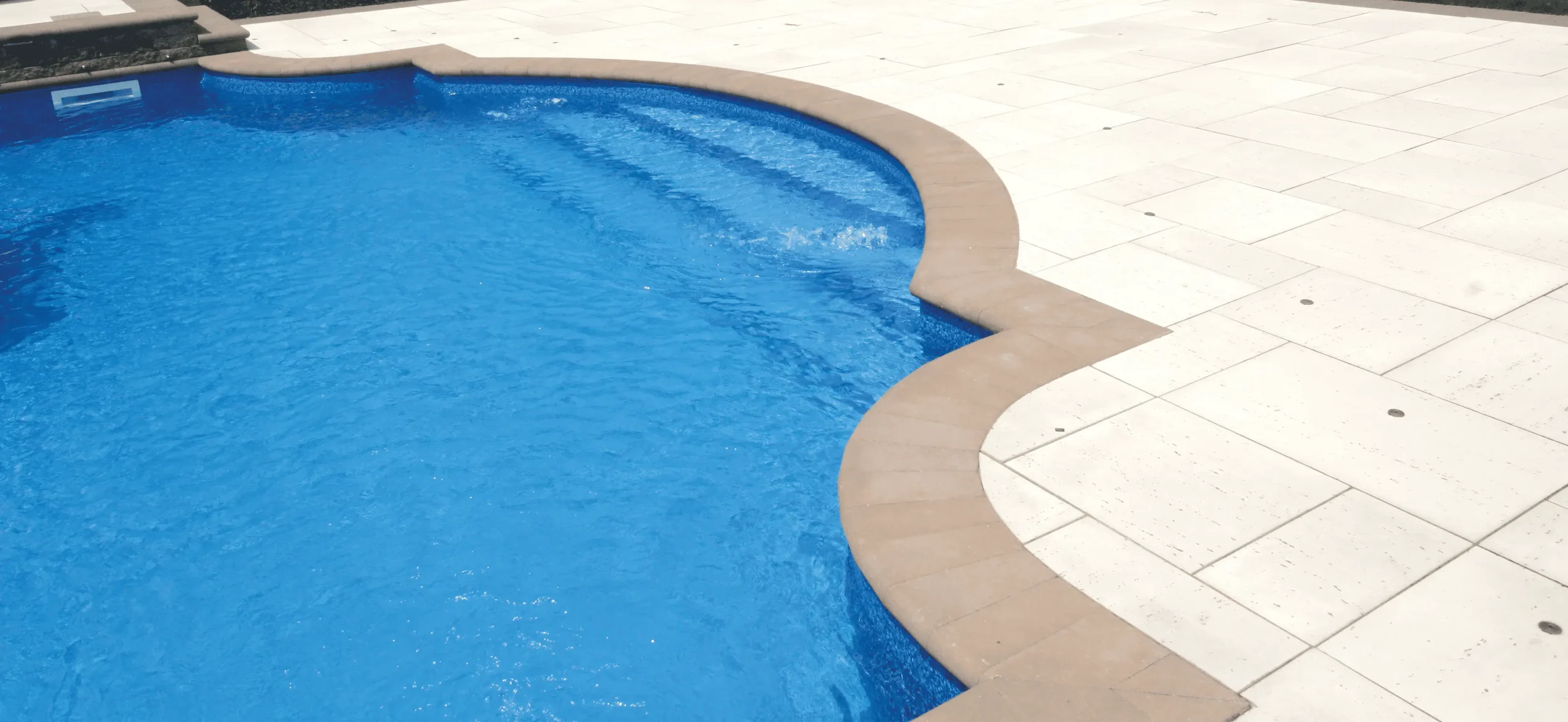
Steps, Benches and Tanning Ledges Change the Way Depth Is Used
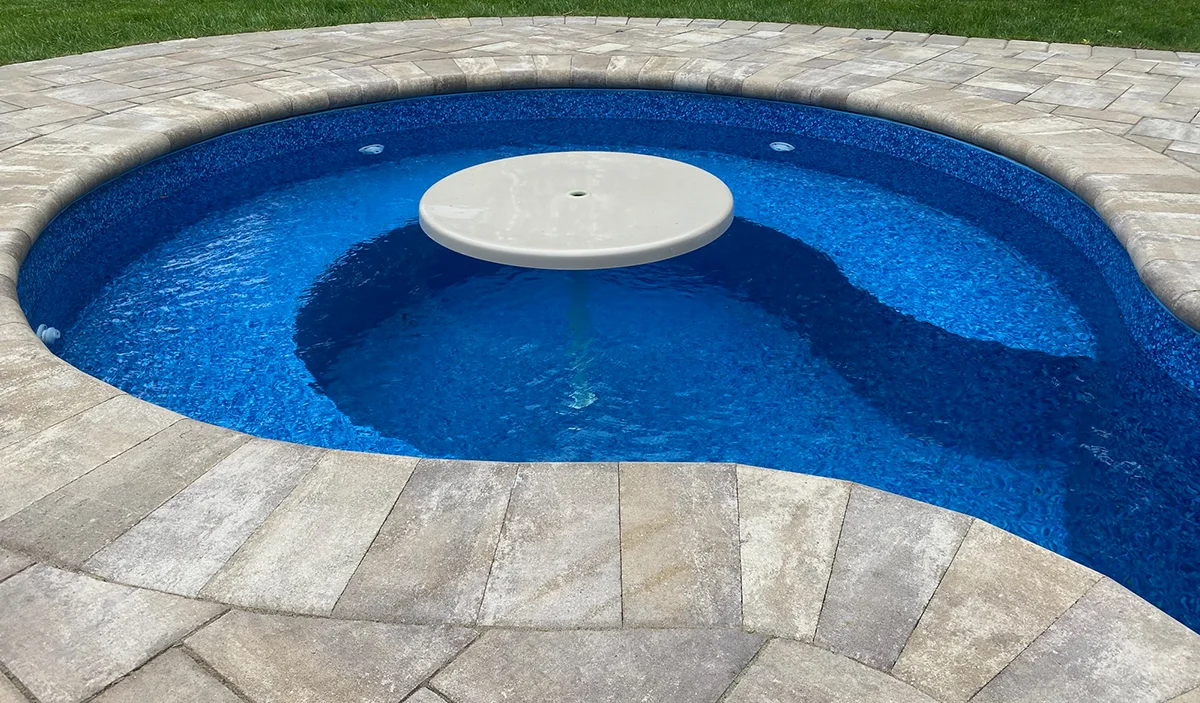
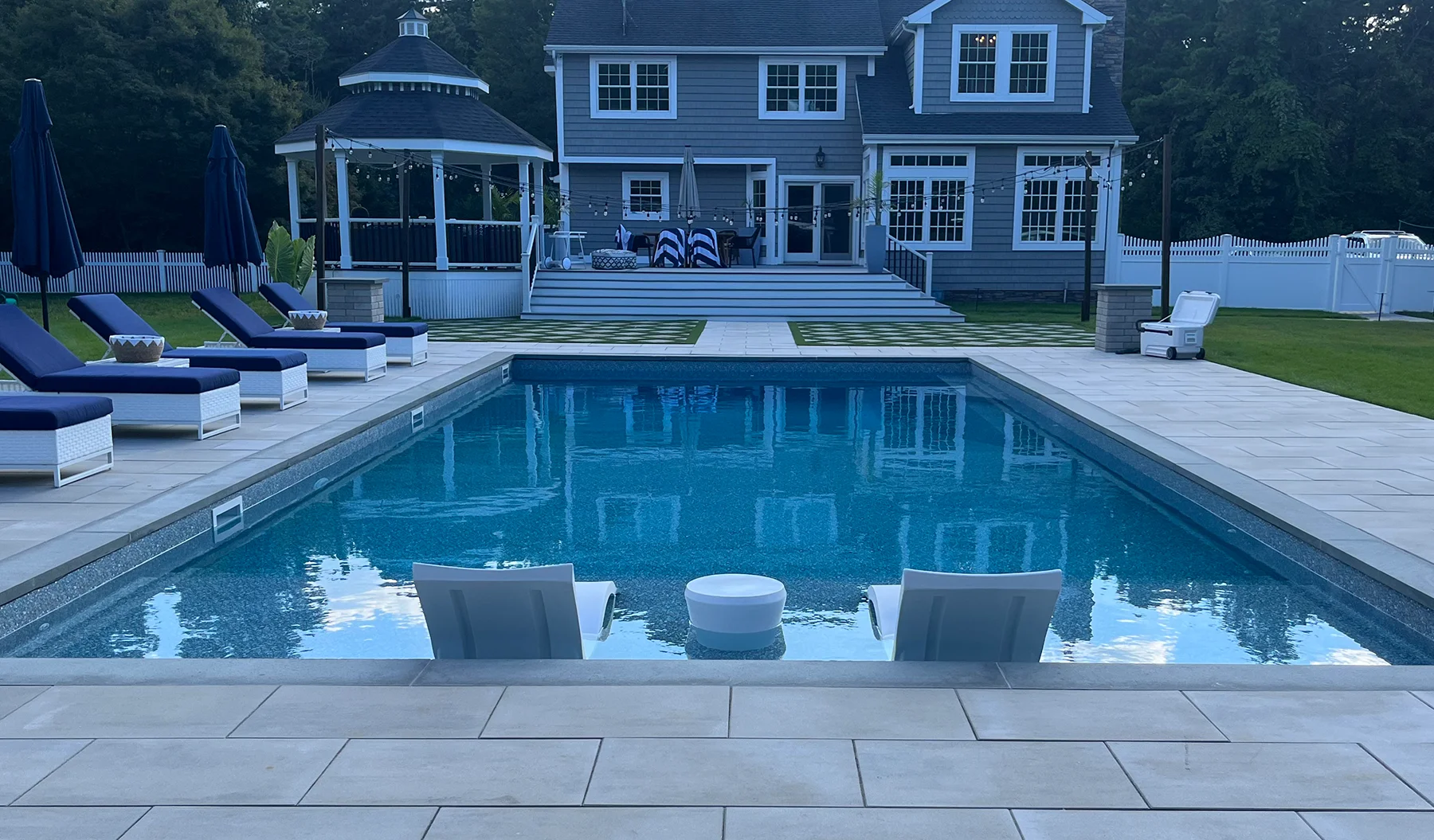
Water depth is not only about the pool floor. Built-in features create different levels within the pool and give swimmers more ways to use the water. Pool steps provide gradual entry. Benches allow someone to sit in the water without occupying the main swimming area. Tanning ledges create very shallow spaces for lounging and relaxing. These features need to be considered as part of the original depth plan.
For example, a family that wants generous built-in seating may not need as much traditional shallow standing area. Someone who wants an open swimming area may prefer to keep interior features more compact.
Our guide to pool steps, benches, and tanning ledges explains why these decisions are best made early, when the overall pool layout is still being developed.
What About Diving?
Diving requires much more than deciding that a certain part of the pool should be deeper.
Pools intended for diving need to be specifically designed to meet applicable dimensional, depth, slope, and diving-envelope requirements. Current residential inground pool standards distinguish between diving and non-diving pool designs, which is important because the requirements are not interchangeable.
If diving is something you want, bring it up at the very beginning of the design process. Your pool builder can determine whether the necessary design can safely and properly fit within the proposed pool and backyard. Never assume that a pool is safe for diving simply because one section looks deep.
Depth Can Affect the Way a Pool Feels
Two pools with similar dimensions can provide very different experiences based on how their interiors are designed.
A pool with generous standing areas can feel social and inviting. A design with more deep water can emphasize swimming. Built-in ledges and benches create smaller zones for relaxing, while a carefully planned transition between depths can help different areas of the pool feel connected.
This is part of what custom inground pool design is meant to accomplish. The goal is not just determining whether a pool fits in the backyard. It is deciding what should happen inside that footprint.
Consider Who Will Be Using the Pool Five or Ten Years From Now
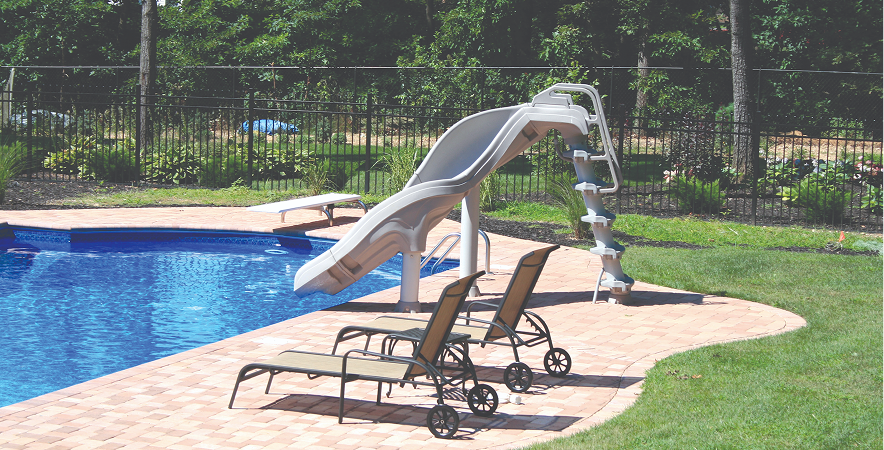 A pool is a long-term addition to your home, while the way your family uses it can change.
Young children grow into teenagers. A pool that begins as a place for family play may eventually become an entertaining space. Homeowners may find themselves spending more time relaxing in the water than swimming laps. You cannot predict every future use, but it is worth thinking beyond the first summer.
Versatile designs often work well because they provide more than one type of water space. A pool can have areas for standing, swimming, sitting, and relaxing without becoming overly complicated.
The Best Pool Depth Is Part of the Entire Backyard Design
Depth is one decision within a much larger design. Pool shape, size, steps, seating, landscaping, patios, sunlight, views from the house, and the amount of open yard you want to preserve all influence the finished result.
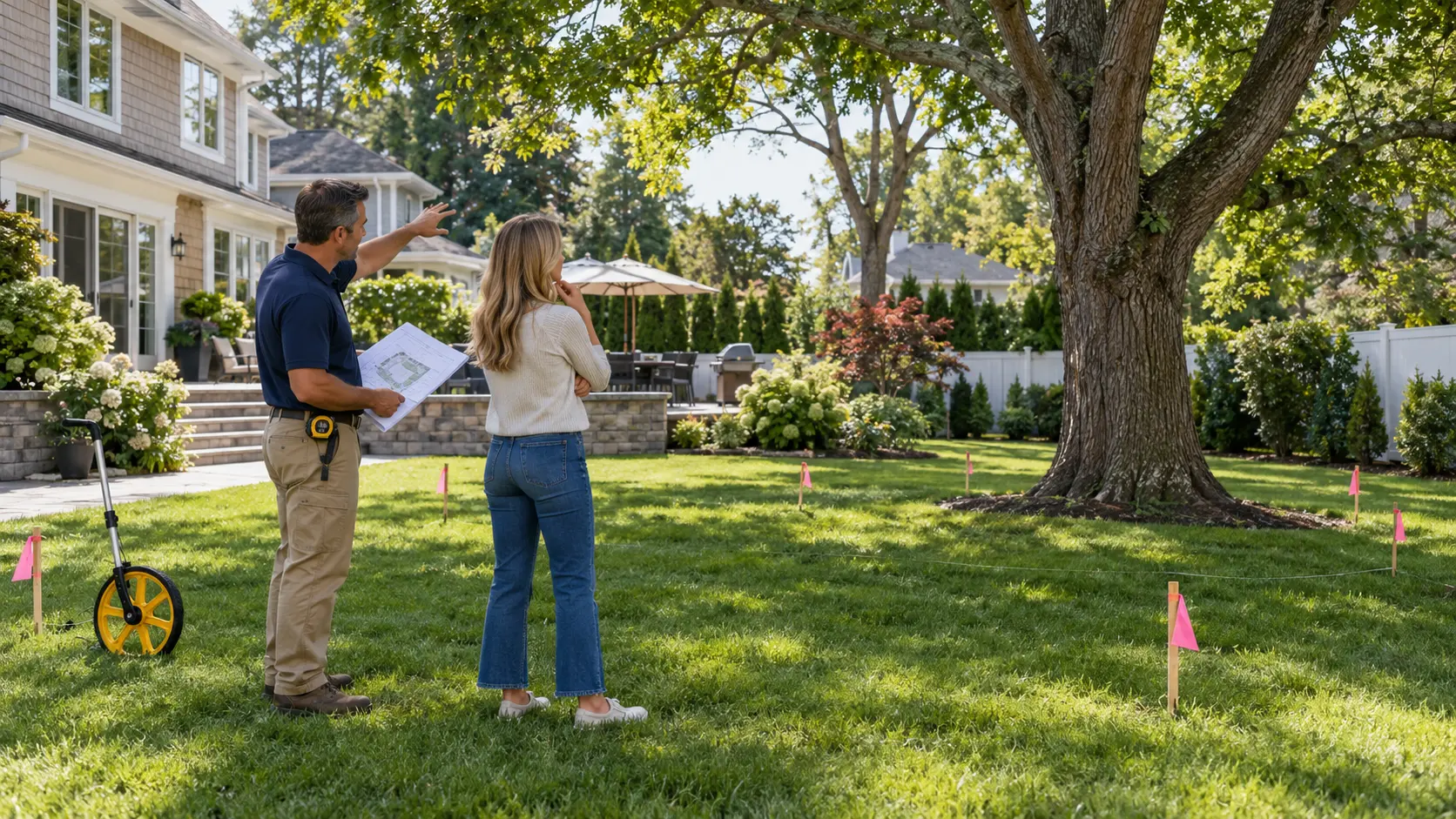
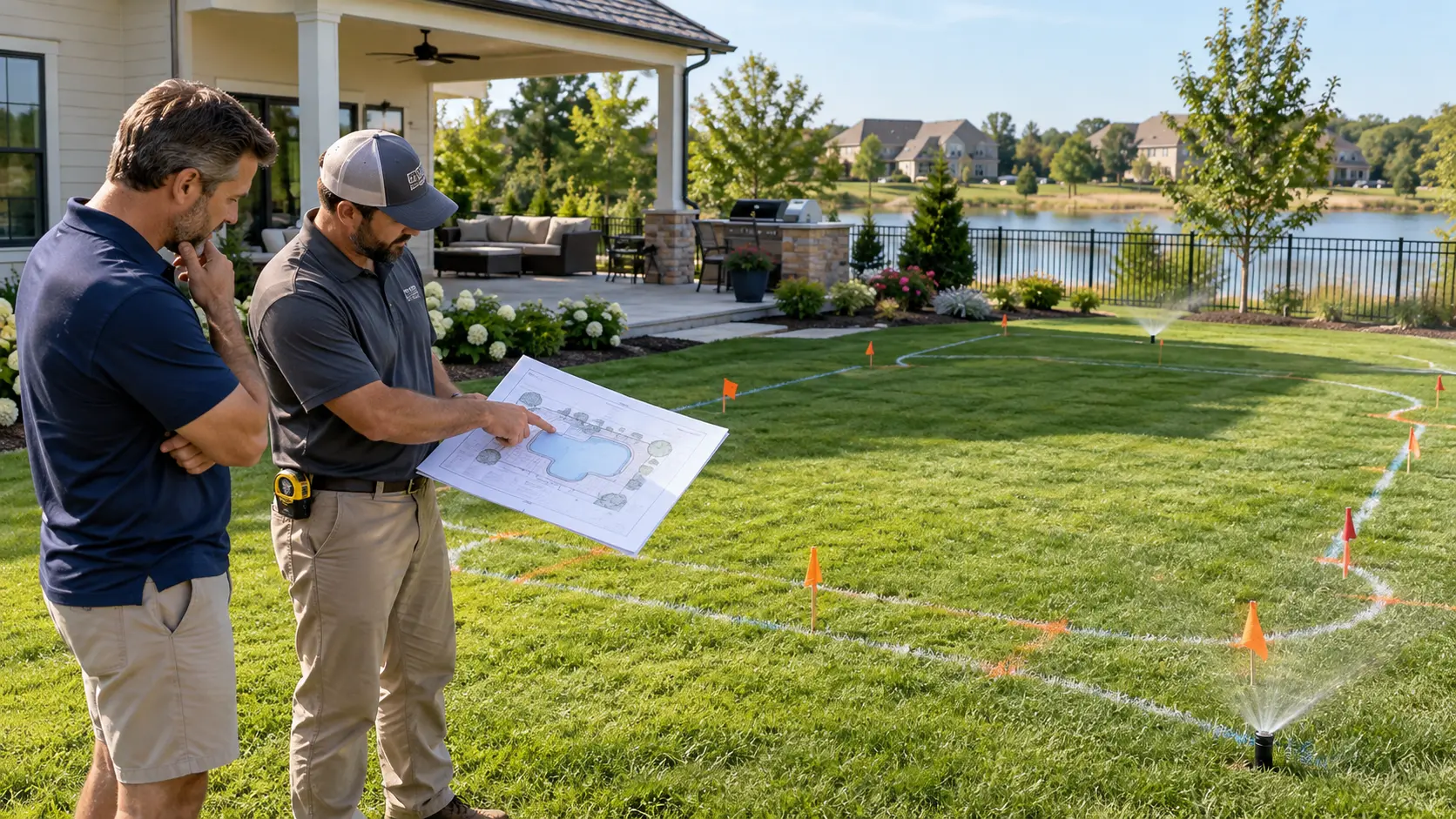
At Specht-Tacular Pools, our pool design and construction process looks at the entire backyard before those decisions are finalized. Using your property’s dimensions and the way you want to use the space, the design can be planned before excavation begins.
That allows decisions about depth to support the rest of the project instead of becoming an isolated specification.
For Long Island homeowners considering a new inground pool, that is the question worth asking: not simply “How deep should my pool be?” but “What combination of depths will make my pool work best for the way we want to use it?”
Frequently Asked Questions
No single depth is right for every residential inground pool. Pool depth is determined by the intended use of the pool, its dimensions, interior features, applicable construction standards, and whether the design is intended for diving or non-diving use. A custom pool may include several depths rather than maintaining the same water depth throughout.
A deeper pool can affect excavation, materials, water volume, and other construction considerations, but depth is only one part of overall pool cost. Shape, size, site conditions, patios, landscaping, water features, built-in features, access to the property, and the complexity of the complete backyard design can have a significant impact as well. Your builder should evaluate depth as part of the entire project rather than pricing it as an isolated feature.
Greater water depth can influence overall water temperature, but depth alone does not determine how warm or cool a pool will feel. Sun exposure, shade, air temperature, pool surface area, water circulation, wind, nighttime temperatures, and whether a heater is used all play a role. Pool orientation and the surrounding landscape should therefore be considered along with depth when comfort is a priority.
Pool depth should be discussed during the initial design process, before construction begins. Depth affects the interior layout, floor transitions, steps, benches, ledges, swimming areas, and how different parts of the pool function. Making these decisions early allows the pool designer to create one coordinated design rather than trying to accommodate major changes after the layout has already been established.