When homeowners picture a new inground pool, the filter, pump, heater and other equipment usually aren’t the first things that come to mind. But figuring out where that equipment will go is an important part of planning the backyard. The equipment needs to be close enough to the pool to work efficiently, accessible when something needs attention and positioned so it doesn’t interfere with the way you want to use the yard. At the same time, most homeowners would rather not have pool equipment sitting prominently beside a patio or within view from the house. The best location is usually a balance of all of those considerations.
Pool Equipment Placement Should Be Part of the Original Design
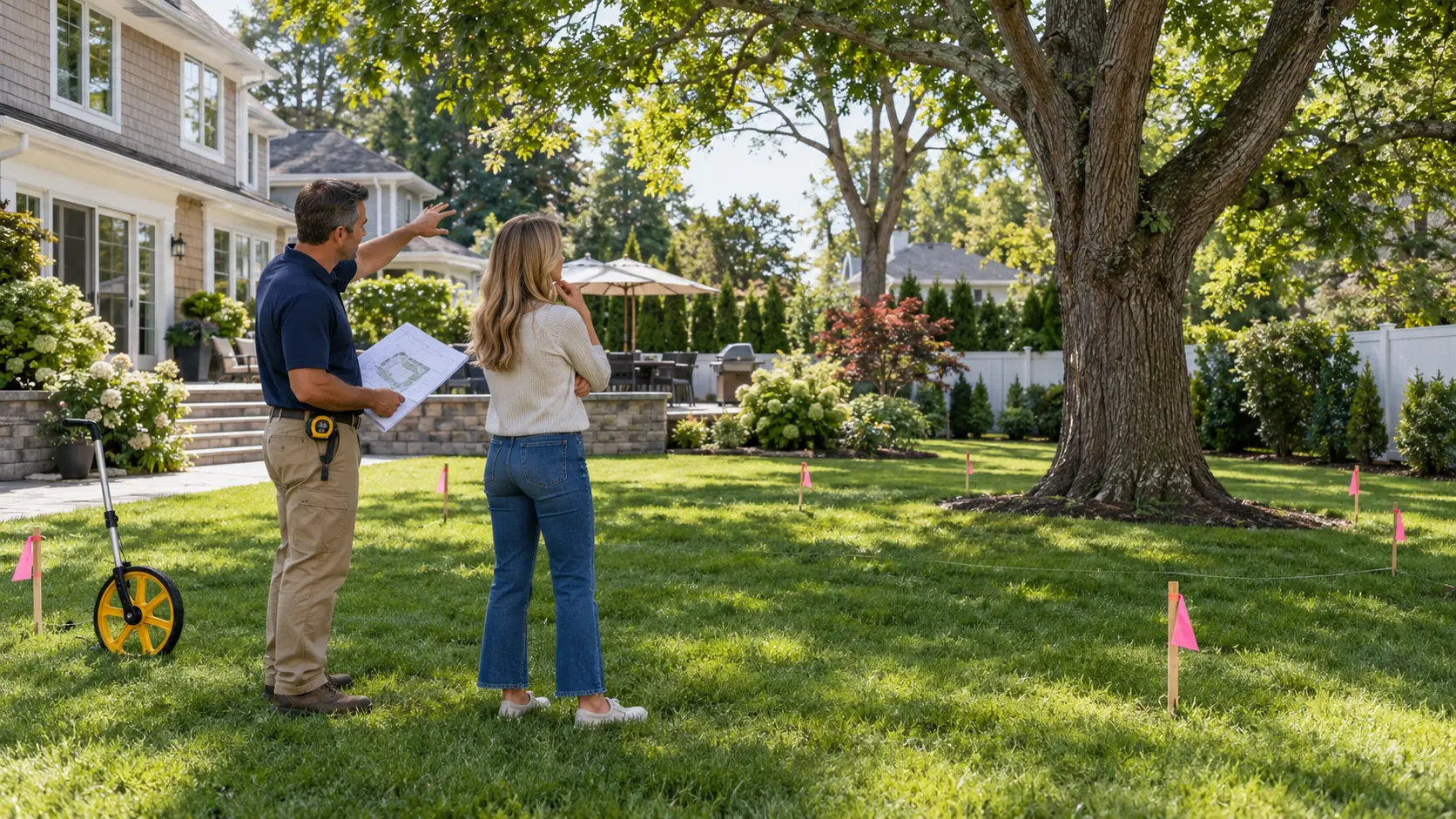
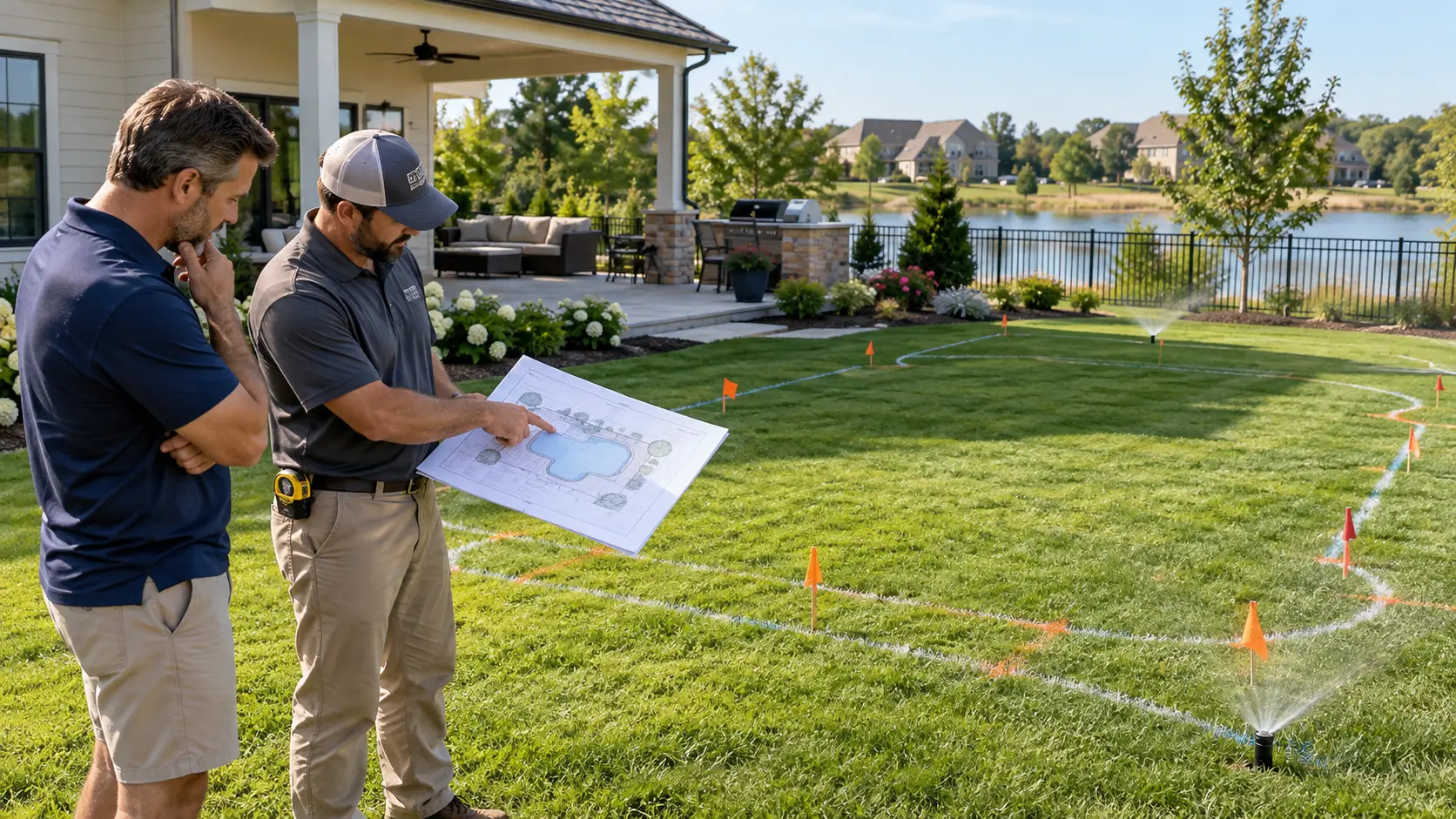
One of the easiest mistakes to make is deciding exactly where the pool and patio will go before thinking about the equipment. By that point, the remaining choices may not be very good. The equipment could end up next to a seating area, outside a bedroom window or in a section of the yard that would have been better used for landscaping. When equipment placement is considered as part of the custom inground pool design and construction process, the pool, plumbing, equipment, patio and surrounding yard can be planned together.
This is particularly helpful when space is limited. A location that seems insignificant on a drawing can make a noticeable difference once you start thinking about pathways, outdoor furniture, planting areas and how people will move through the backyard.
How Far Can Pool Equipment Be From the Pool?
Pool equipment does not have to sit immediately beside the pool. Pumps and filtration systems can be installed some distance away, but distance is only one part of the equation. The length of the plumbing runs, changes in elevation, the size and layout of the plumbing and the equipment being used can all affect how the system performs.
In many cases, there is little reason to create unnecessarily long plumbing runs simply to move the equipment farther away. On the other hand, moving it a reasonable distance may make sense if it creates a much better backyard layout. This is why there isn’t one ideal number that applies to every property.
For example, putting the equipment several feet farther away might allow it to sit beside the house instead of next to an outdoor dining area. On another property, that same decision could require a much more complicated plumbing route. The location should be determined while the pool’s plumbing and overall layout are being planned, rather than after excavation has started.
Think About Noise Before Choosing the Location
Today’s pool equipment can be significantly quieter than older systems, particularly when variable-speed pumps are used. It still makes sense to think about where the equipment sits in relation to the places where people spend time. A location immediately beside a lounge area, patio table or bedroom window probably isn’t ideal if another practical location is available.
Walls and fences can also change how sound travels. Putting equipment into a tight corner may hide it visually but can sometimes make equipment noise seem more noticeable if sound reflects off nearby surfaces. The goal isn’t necessarily to place the equipment as far away as possible. It is to find a location that works with the entire backyard.
Can Pool Equipment Be Hidden From View?
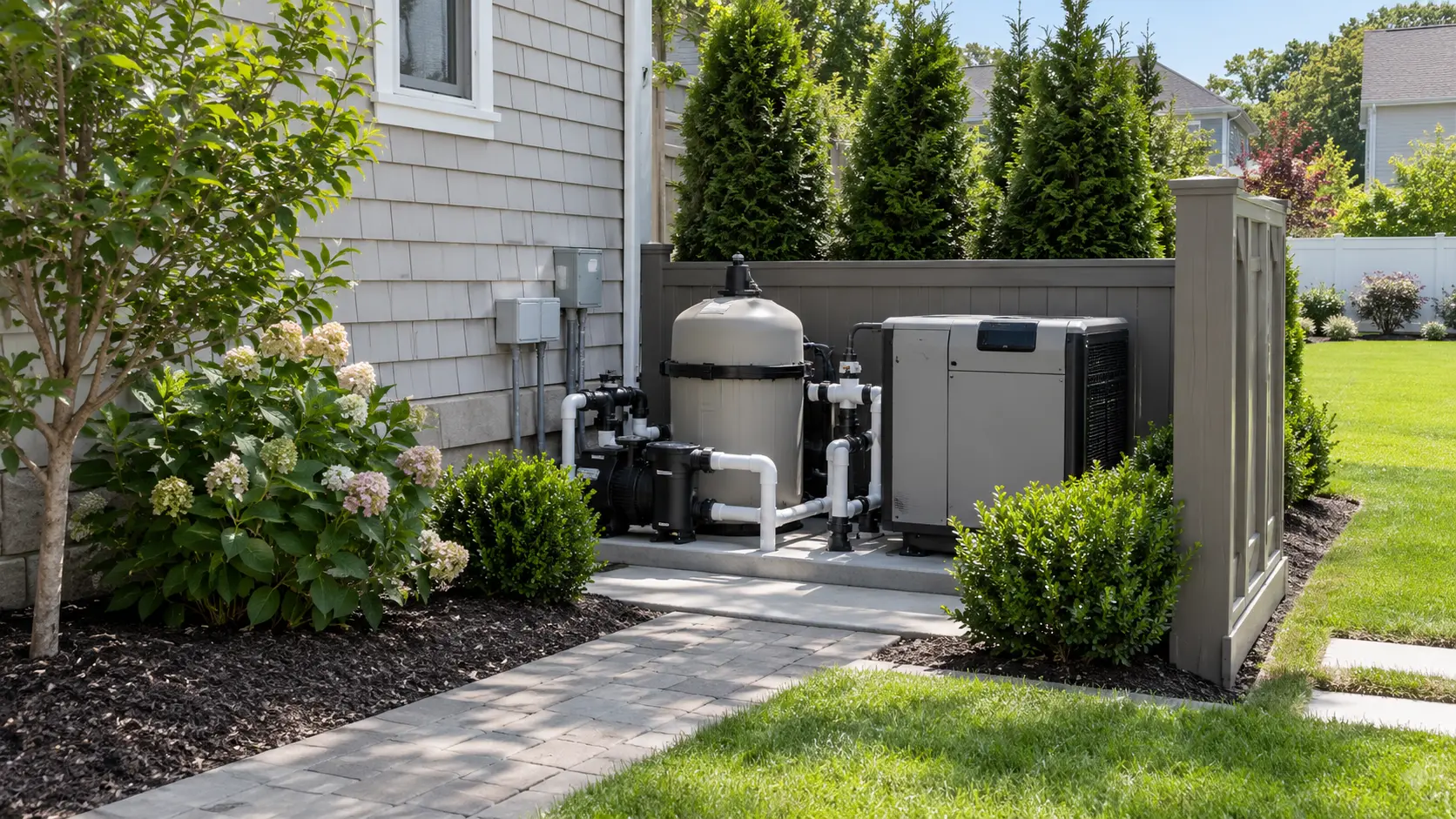
Usually, yes. Landscaping, fencing and purpose-built screening can all make the equipment much less noticeable. The important part is making sure that hiding it doesn’t make it difficult to reach.
Pumps, filters, heaters and other components occasionally need inspection, adjustment, cleaning or replacement. A beautifully screened equipment area becomes much less convenient if someone has to squeeze behind shrubs or remove part of an enclosure to work on it.
There also needs to be appropriate airflow around equipment that requires ventilation, particularly heaters. Screening should be designed around the equipment rather than simply enclosing everything as tightly as possible.
If screening is important to you, discuss it while the backyard is being designed. The equipment area can then be incorporated into the landscape instead of looking like something that was hidden as an afterthought.
Should Pool Equipment Be Next to the House?
Sometimes that is the most practical location, but not always. The side or rear of the house can keep equipment away from the main backyard view and preserve more usable space around the pool. It may also provide convenient access to utilities.
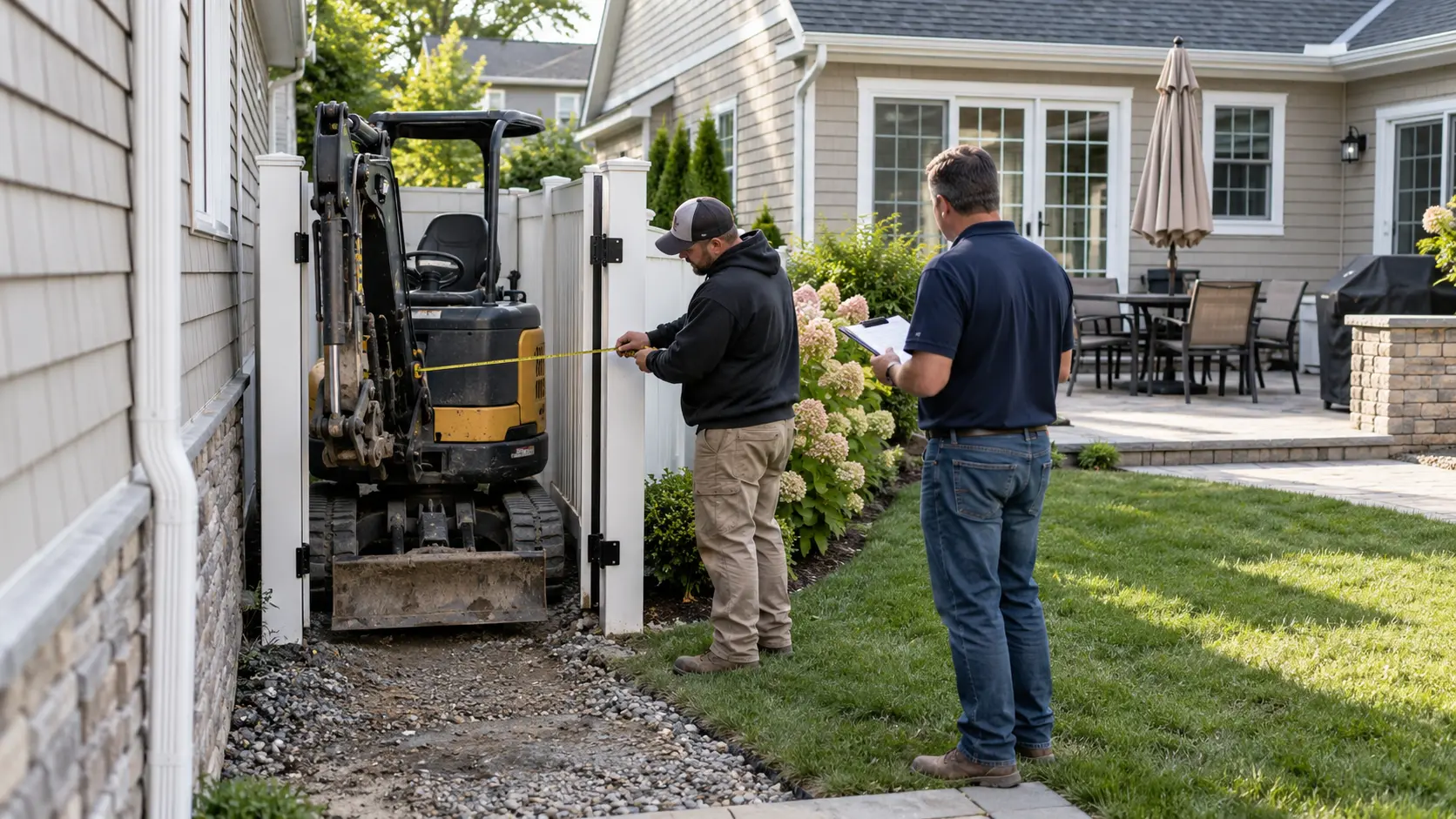
But windows, doors, neighboring properties, equipment clearances and the layout of the plumbing all need to be considered. A narrow side yard that looks like the obvious place for equipment may also contain air-conditioning units, utility meters, gates or important access routes. That’s why the property as a whole should be evaluated before committing to the location.
Don’t Use Up Space You May Need Later
The equipment area also needs enough room to work in. Installing everything in the smallest possible footprint can make future maintenance unnecessarily difficult. It can also limit your options if you eventually want to change a component or add equipment.
You don’t need to dedicate a large part of the yard to the equipment pad. But leaving reasonable working space around the system can make a significant difference over the life of the pool. This is another reason equipment placement belongs in the early planning stages rather than at the end of the project.
Plan the Equipment With the Rest of the Backyard
A good pool layout isn’t just about finding enough room for the pool itself. The equipment, patio, landscaping, walkways, utilities and the way the family plans to use the yard all compete for space. Decisions about one of those areas can affect several others.
Specht-Tacular Pools considers these details as part of the pool design and construction process so homeowners can see how the entire backyard will work before construction is underway. Thinking about where the equipment will go might not be the most exciting part of designing a pool. But getting it right can help keep the finished backyard quieter, cleaner-looking and easier to maintain for years to come.
Frequently Asked Questions
It is a good idea to leave some additional working space when possible. Equipment can change over the life of a pool, and homeowners may eventually want to replace a pump, change filtration equipment or add another component. An extremely tight equipment area can make those changes more difficult.
Yes, but plant selection and spacing matter. Shrubs should not grow into the equipment or make components difficult to reach. It is also helpful to consider how large plants will become at maturity rather than judging the available space only when they are first installed.
Yes. Equipment occasionally needs to be repaired or replaced, and some components are bulky. Providing a reasonable route between the equipment area and an access point can make future work much easier.
Yes. Electric service, gas availability and other existing utilities can influence the most practical equipment location. Identifying these conditions during planning can help avoid unnecessarily complicated utility runs later.
Yes. If you are considering features that could require additional equipment or connections later, mentioning those plans during the original design can help ensure there is adequate room and infrastructure available.