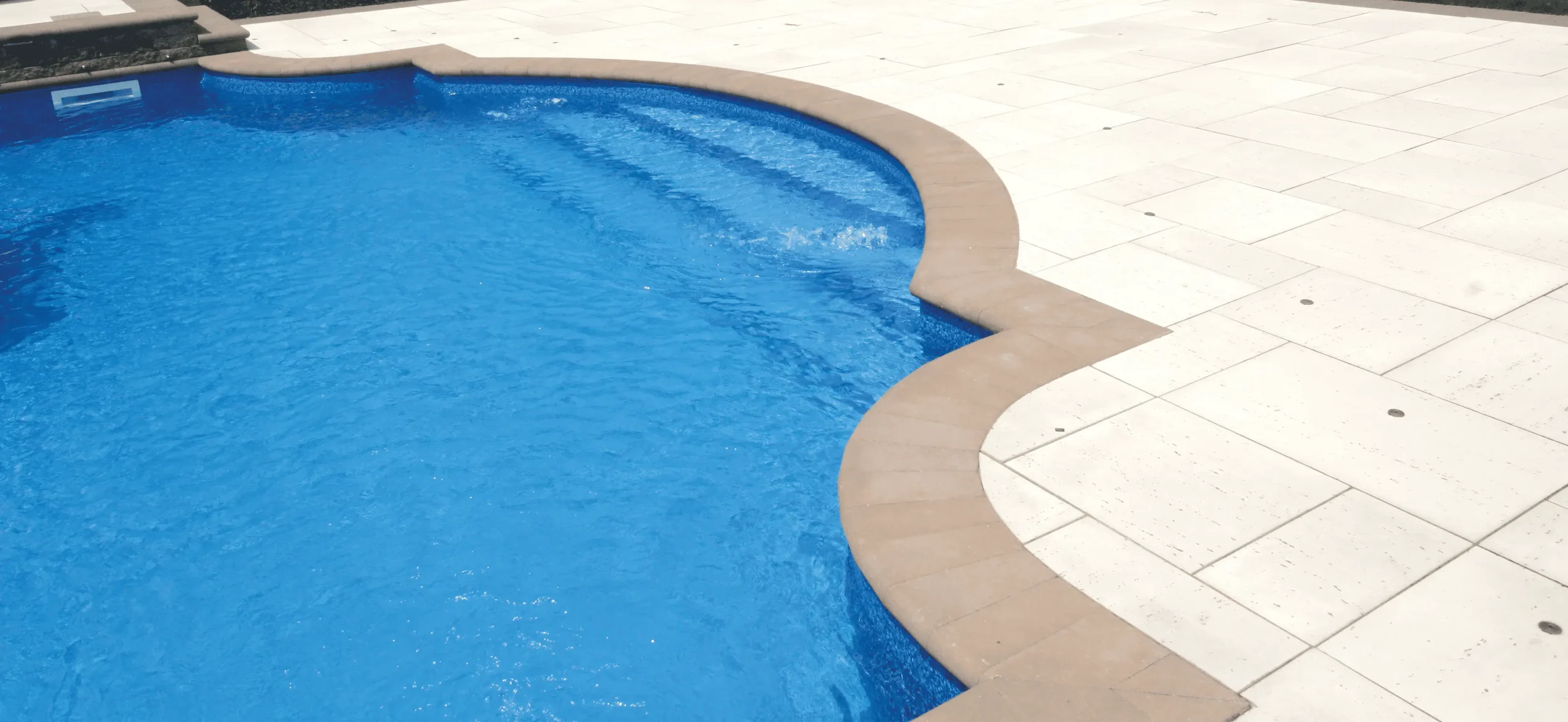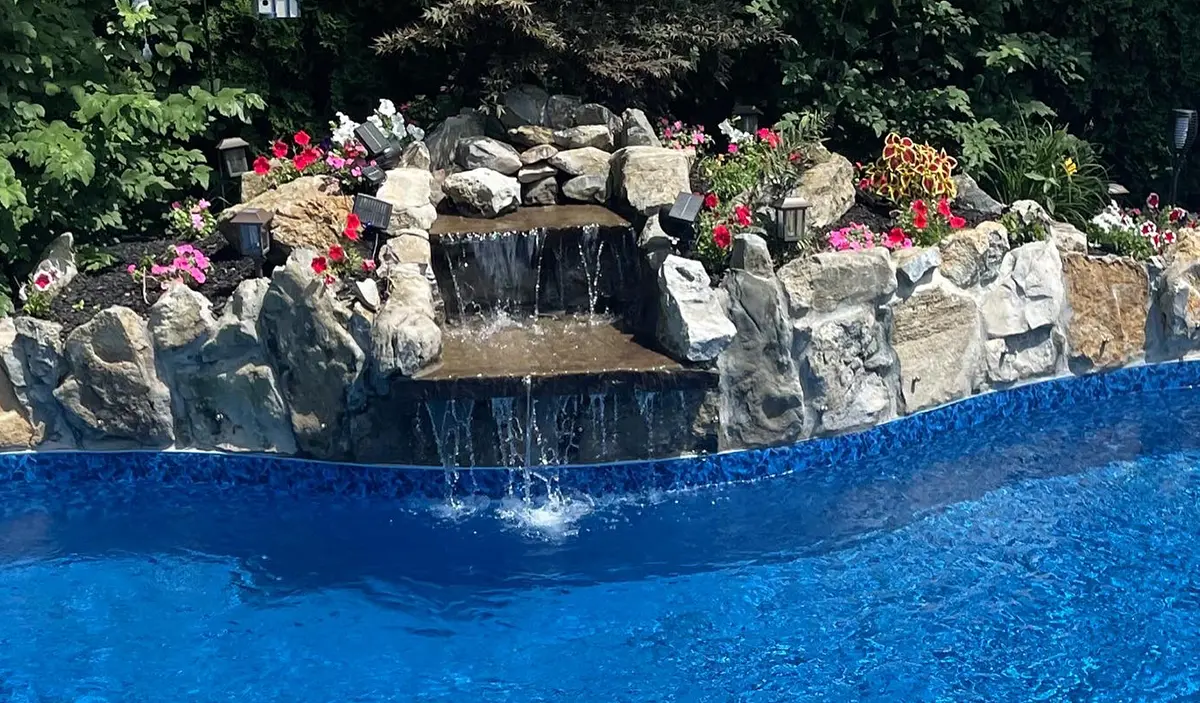
A custom inground pool does not feel complete until the space around it feels finished too. The pool may be the main feature, but the surrounding landscaping plays a major role in how the backyard looks, feels, and functions.
For Long Island homeowners, poolside landscaping needs to do more than look attractive. It should help frame the pool, soften hard surfaces, create privacy, support drainage, and connect the pool area to the rest of the backyard. The right plan can make an inground pool feel more natural, more comfortable, and more connected to the home.
That is why landscaping should be part of the pool design conversation from the beginning. When the pool, patio, plantings, walkways, fencing, and outdoor living areas are planned together, the finished backyard feels much more intentional.
Start With the Way the Pool Fits the Yard
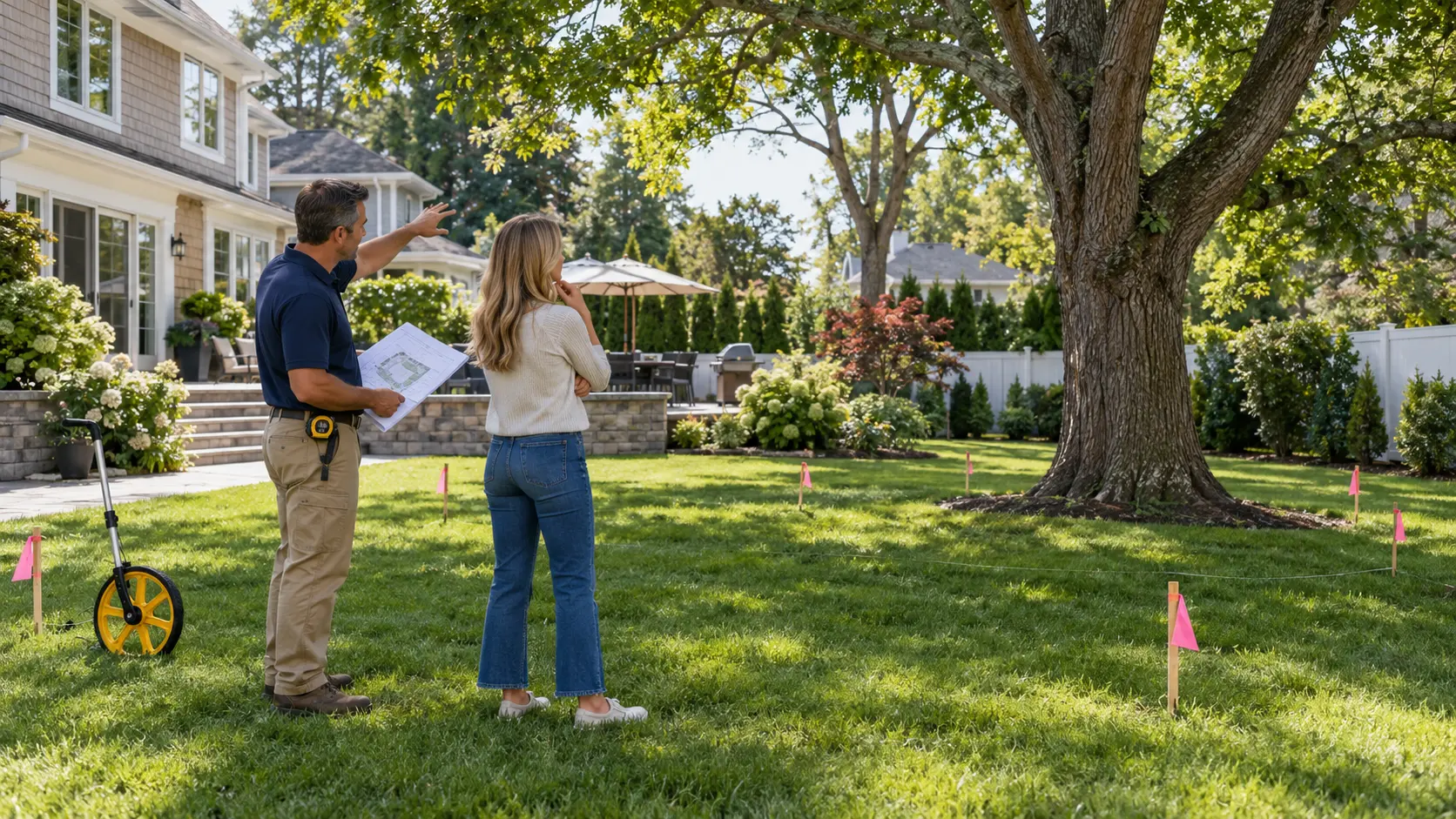
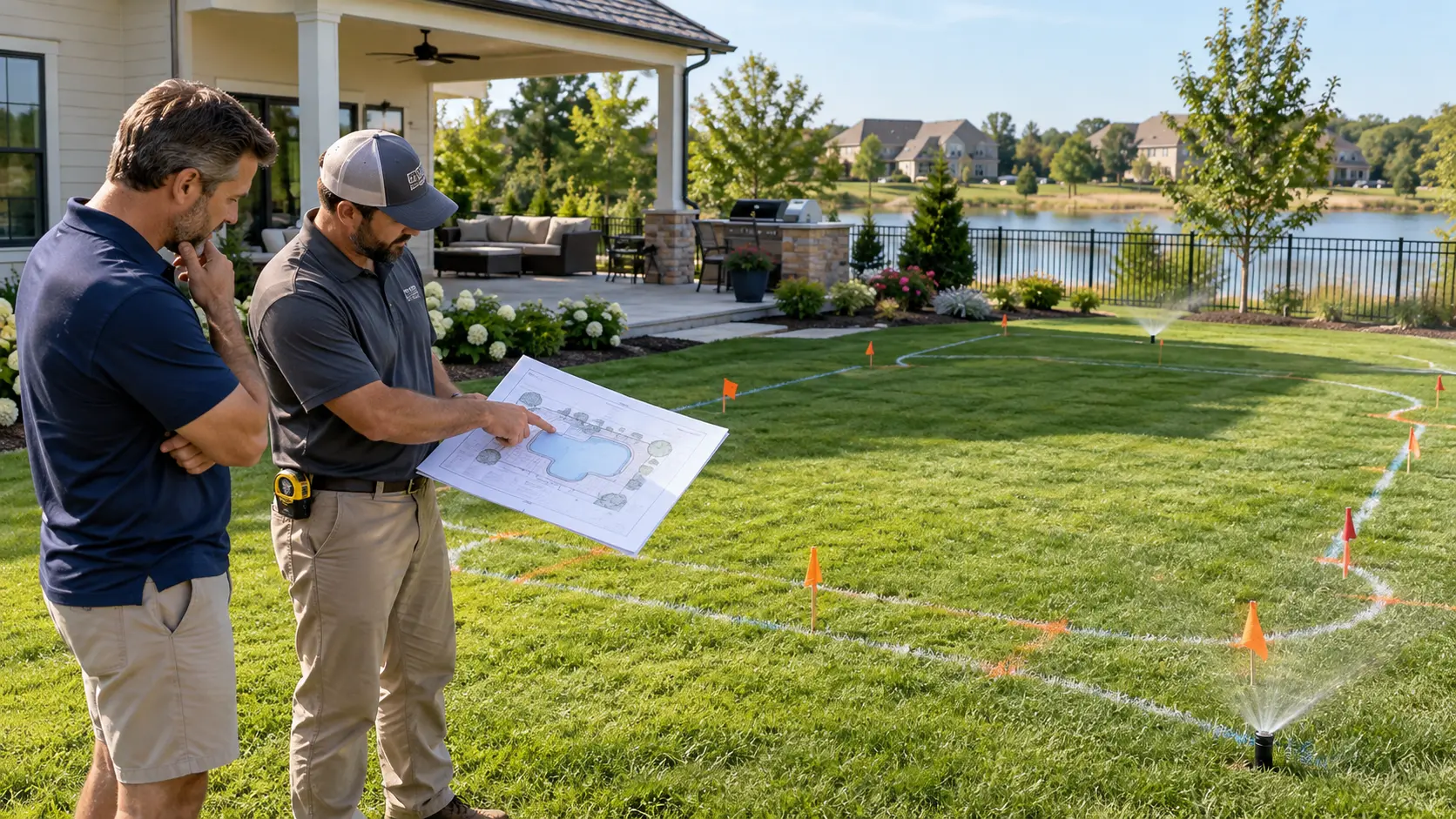
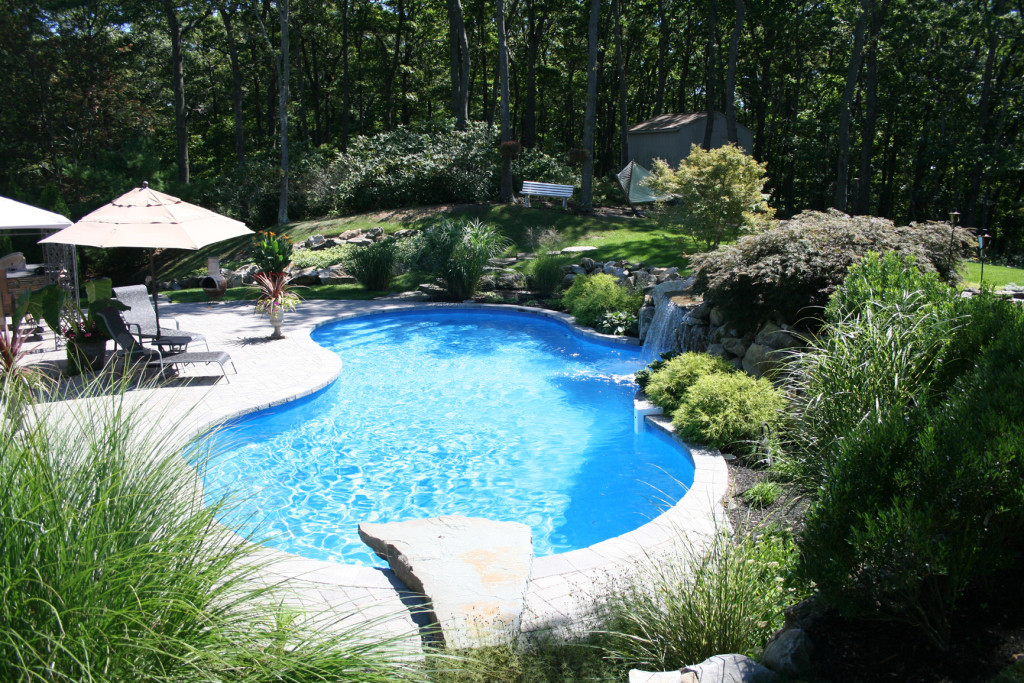 Before choosing plants or materials, it helps to look at how the pool sits within the overall yard. Some pools are close to the house. Others are farther back, surrounded by lawn, fencing, trees, or patio space. Some yards are flat and open, while others have slopes, neighboring homes, or existing features to work around.
Poolside landscaping should respond to the shape and layout of the property. In some yards, landscaping may be used to create privacy. In others, it may help soften a large patio, guide movement, or make the pool feel less exposed.
The goal is not to fill every open area with plants. The goal is to create a balanced setting where the pool feels like part of the backyard instead of a separate feature.
Use Landscaping to Frame the Pool
Good poolside landscaping helps guide the eye. It can frame the pool, create a more finished edge, and make the entire area feel more polished.
This does not always require heavy planting. Sometimes a few carefully placed trees, shrubs, grasses, or planting beds can make a big difference. Landscaping can be used to soften fencing, define the edge of a patio, or create a natural backdrop behind the pool.
For many Long Island backyards, this kind of framing helps the pool feel more custom. Instead of seeing only water, patio, and fence, the homeowner sees a complete outdoor space with depth, texture, and structure.
Balance Privacy With Open Views
Privacy is one of the biggest reasons homeowners think about landscaping around a pool. Trees, shrubs, and layered plantings can help block views from neighboring homes, roads, or nearby properties.
At the same time, pool landscaping should not make the space feel closed in. A backyard pool should still feel open, comfortable, and easy to enjoy. The best privacy plans usually balance screening with sightlines.
For example, taller plantings may be useful along one side of the yard, while lower plantings may work better near the house or patio where open views matter. The right combination can make the pool area feel more private without making the backyard feel smaller.
Think About the Patio Edge
The area where the patio meets the landscaping is important. A pool patio can look unfinished if it ends abruptly at a fence, lawn, or blank open space. Landscaping helps soften that transition.
Planting beds, low shrubs, grasses, stone accents, or layered greenery can make the patio edge feel more natural. This is especially useful around larger patios, where hardscape can start to dominate the backyard if there is nothing to break it up.
The patio should still be easy to walk around and maintain. Poolside landscaping should add beauty and structure without crowding the usable space around the pool.
Choose Plants That Make Sense Near a Pool
Not every plant is a good choice for a pool area. Some plants drop too many leaves, flowers, berries, or needles. Others may have aggressive roots, sharp branches, or maintenance needs that make them less practical near water.
A poolside landscape plan should consider how plants will behave throughout the season. Long Island homeowners should think about shade, wind, falling debris, watering needs, growth size, and how close plantings should be to the pool or patio.
The best plant choices depend on the property, but the goal is usually the same: create a beautiful setting that does not make the pool harder to maintain.
Leave Room for Movement and Maintenance
Landscaping should never make the pool area difficult to use. There should be enough room for people to walk, sit, move furniture, access the pool, and maintain the space.
This is especially important around pool equipment, steps, gates, walkways, and patio edges. A planting bed may look good on paper, but if it blocks access or crowds a walkway, it can become frustrating over time.
A good poolside landscape design considers both appearance and function. It should make the backyard feel better without making everyday use harder.
Use Landscaping to Connect the Pool to the Home
One of the best ways to make an inground pool feel custom is to connect it visually to the home. Landscaping can help create that connection.
Plantings near the patio, along walkways, or around outdoor seating areas can guide the eye from the house to the pool. Trees and shrubs can create a backdrop. Lower plantings can define paths and transitions. Stonework and planting beds can help the pool area feel tied to the rest of the backyard.
This matters because a pool is not only seen from the patio. It is also seen from kitchen windows, sliding doors, decks, living areas, and outdoor gathering spaces. Landscaping helps shape those views.
Plan for Sun, Shade, and Comfort
Poolside landscaping can also affect comfort. Trees, larger shrubs, and nearby structures can influence how much sun or shade the pool area receives throughout the day.
Some homeowners want full sun around the water. Others want shade near seating areas, dining spaces, or lounge areas. The right landscape plan can help create different zones around the pool, such as sunny areas for swimming and shaded areas for relaxing.
It is important to think about mature plant size. A small tree or shrub may seem harmless when planted, but over time it can create more shade, debris, or crowding than expected. Planning ahead helps avoid problems later.
Consider Drainage and Grading
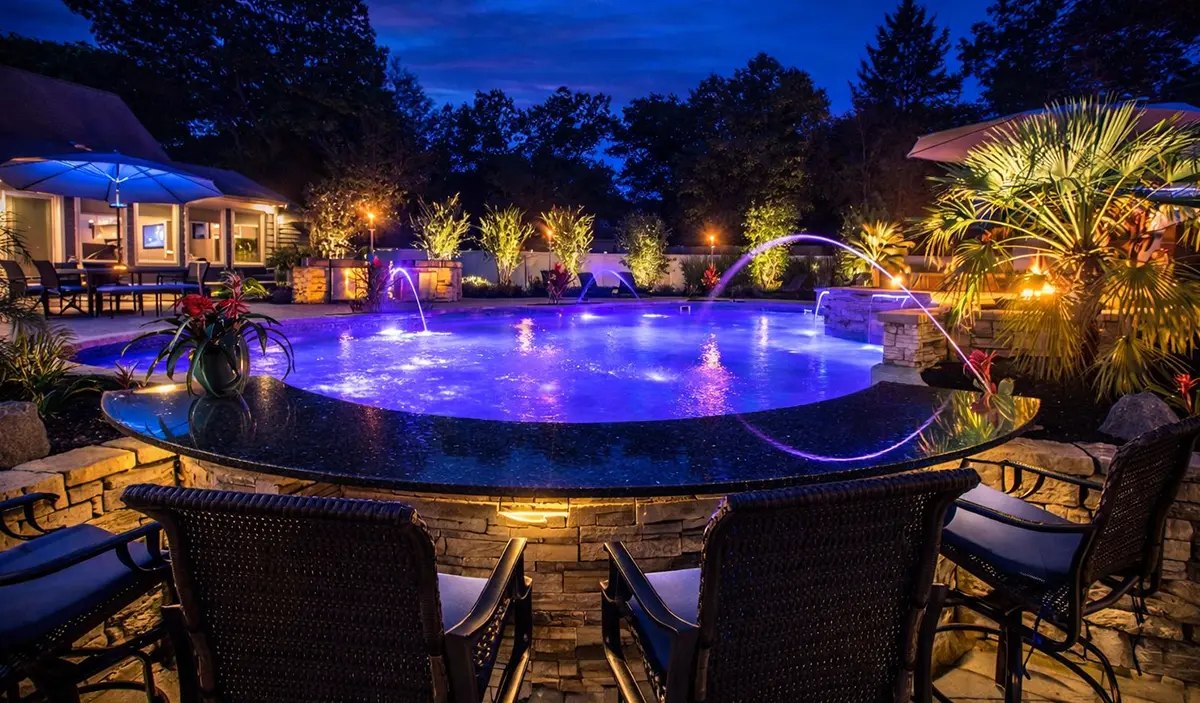 Poolside landscaping is not only about plants. Drainage and grading matter too.
Water should move away from the pool, patio, and home in a controlled way. Poor grading can lead to puddling, erosion, soil washout, or water moving toward areas where it does not belong. This is especially important in Long Island yards with slopes, tight spaces, or existing hardscape.
A good poolside landscape plan should support the construction of the pool and patio. Planting beds, lawn areas, retaining edges, and hardscape transitions should all work with the grading of the yard.
Keep the Design Consistent
A pool area can feel disconnected when too many materials, plant styles, or design ideas are used at once. Poolside landscaping should support the overall look of the property.
For some homes, that may mean clean lines, simple plantings, and a more modern feel. For others, it may mean natural stone, layered greenery, and a softer backyard setting. The landscaping should match the home, the patio, and the pool design.
Consistency does not mean everything has to look plain. It means the choices should feel like they belong together.
Avoid Treating Landscaping as an Afterthought
Many homeowners think about landscaping after the pool is built. That can work in some cases, but it often limits the final result.
When landscaping is planned later, the pool and patio may already be fixed in place. That can make it harder to create privacy, improve flow, soften edges, or connect the pool to outdoor living areas.
Planning landscaping earlier allows the entire backyard to be considered as one space. The pool, patio, plantings, walkways, grading, fencing, and features can all support one another.
Create a Backyard That Feels Finished
The best poolside landscaping makes an inground pool feel like part of a complete backyard. It frames the water, softens the patio, improves privacy, supports comfort, and connects the pool area to the home.
For Long Island homeowners, this kind of planning can make a major difference. A pool alone can be beautiful, but a pool surrounded by thoughtful landscaping feels more personal, more usable, and more complete.
Specht-Tacular Pools designs and builds custom inground pools, patios, landscaping, waterfalls, spillover hot tubs, and outdoor living spaces for Long Island homeowners. When the pool and landscape are planned together, the finished backyard can feel connected, comfortable, and built around the way your family wants to enjoy the space.
Frequently Asked Questions
The best landscaping around an inground pool is attractive, low-maintenance, well-spaced, and planned around how the pool area will be used. A good poolside landscape design should frame the pool without crowding it. It should soften patio edges, improve privacy where needed, allow room for walking and furniture, and avoid plant choices that create excessive debris near the water. For Long Island homeowners, the right landscaping also depends on the yard’s layout, sun exposure, fencing, drainage, and how the pool connects to the home and patio.
Pool landscaping is usually best planned before construction begins, even if some planting is completed later. When landscaping is considered early, the pool, patio, grading, walkways, privacy areas, and planting beds can work together. Waiting until after construction may limit where plants, trees, beds, or outdoor living areas can go. Early planning helps the finished backyard feel more connected and can prevent the pool from looking separate from the rest of the property.
Landscaping can make a pool area more private by using trees, shrubs, layered plantings, and screening in the areas where views need to be softened or blocked. The goal is not always to surround the entire pool with tall plantings. A better approach is to look at where privacy is needed most, such as along a fence line, near a neighboring window, or beside a seating area. Lower plantings can preserve open views, while taller greenery can create screening in select locations. This helps the pool feel private without making the backyard feel closed in.
Plants that drop heavy debris, have aggressive roots, create sharp edges, or require constant cleanup should usually be avoided near an inground pool. The best poolside plant choices depend on the property, but homeowners should think carefully about leaves, flowers, berries, needles, root growth, mature size, and maintenance needs. A plant that looks nice in another part of the yard may not be practical next to a pool or patio. Choosing the right plants helps keep the area easier to maintain and more comfortable to use.
Drainage matters because water should move away from the pool, patio, home, and planting areas in a controlled way. Poor drainage can lead to puddling, erosion, soil washout, and moisture problems around the patio or yard. This is especially important for Long Island properties with slopes, tight backyards, existing patios, or grade changes. A thoughtful poolside landscape plan should consider grading, planting beds, hardscape edges, and water movement so the backyard looks good and functions properly over time.
The best landscaping around a Long Island inground pool is low-debris, climate-appropriate, well-spaced, and designed to support privacy, drainage, and the overall look of the home and patio. Poolside landscaping should be chosen for both appearance and practicality. Around an inground pool, it is best to avoid plantings that drop excessive leaves, flowers, berries, or needles into the water. Privacy screening can be helpful, but it should be placed thoughtfully so the pool area does not feel crowded or closed in. Plants should also be suited to Long Island’s climate and positioned with enough space for walking, seating, pool access, and routine maintenance. Drainage matters too, since planting beds and landscape features should help manage water around the pool and patio rather than creating runoff problems. The strongest designs use landscaping that complements the home, patio materials, and overall backyard style so the pool area feels polished, comfortable, and easy to enjoy.