A salt water pool sounds like something you would find at a resort. That is probably part of the appeal. For many Long Island homeowners, the idea feels more comfortable, more polished, and a little more relaxing than a traditional pool setup. They picture softer-feeling water, fewer strong chemical odors, and a backyard that feels easy to enjoy all summer.
But a salt water inground pool is not a completely different type of pool. It is an inground pool with a salt chlorine generator, which uses salt in the water to help produce chlorine for sanitation. That distinction matters.
Salt water pools are not chlorine-free. They still need care, balance, and the right equipment. But for homeowners planning a new custom inground pool, salt water can be worth discussing early in the design process.
If you are building a pool on Long Island, the system you choose should fit the way you want to use the backyard. The pool itself matters. So does the patio, landscaping, water features, equipment location, and long-term maintenance plan. Salt water is one piece of that bigger picture.
Why Long Island Homeowners Ask About Salt Water Pools
Most homeowners do not start out asking about pool systems because they love equipment. They ask because they care about the experience.
They want to know if the water will feel comfortable. They want to know if the pool will smell strongly of chlorine. They want to know what guests will notice. They want to know if their kids will like swimming in it. They want to understand whether salt water feels more relaxing than a traditional chlorine pool. Those are fair questions.
A backyard pool is not just a construction project. It becomes part of daily life during the warm months. It is where people swim after work, where kids spend long afternoons, where guests gather, and where the house starts to feel more like a getaway. For that reason, the water experience matters.
Salt water pools appeal to homeowners who want a custom inground pool that feels comfortable, inviting, and thoughtfully planned from the beginning.
What Makes a Pool a Salt Water Pool?
 A salt water pool uses a salt chlorine generator. Instead of manually adding chlorine in the same way you would with a traditional chlorine pool, the system uses dissolved salt in the water to produce chlorine. That chlorine still sanitizes the pool. The difference is how it is generated.
This is why the phrase “salt water pool” can be a little misleading. The water is not like ocean water. It is also not free of chlorine. It is still a chlorinated pool, but the chlorine is produced through the salt system. For homeowners, the appeal usually comes down to how the water feels and how the pool experience is managed.
The right choice depends on the pool design, equipment, materials, owner expectations, and how the pool will be maintained over time.
Reason 1: The Water Can Feel More Comfortable
One of the biggest reasons homeowners consider salt water is comfort. Many people describe salt water pool water as softer-feeling than traditional chlorinated pool water. That does not mean everyone will notice the same difference, but it is one of the main reasons families ask about it.
When people are planning a pool, they often think first about size, shape, patio space, and appearance. Those choices matter. But the way the water feels matters too. A pool should be enjoyable to use, not just nice to look at.
If the goal is a backyard where kids want to swim, guests want to stay, and homeowners actually use the pool often, comfort should be part of the conversation. That is why salt water is often discussed during the planning stage for a custom inground pool.
Reason 2: It May Feel Easier on Eyes, Skin, and Swimwear
One of the reasons homeowners ask about salt water pools is comfort. Many swimmers feel that salt water pool water is less harsh on their eyes and skin than a traditional chlorine pool. That does not mean salt water pools are chemical-free. They still use chlorine to keep the water clean. The difference is how that chlorine is generated and how the water feels when the system is properly balanced.
This can matter for families who spend a lot of time in the pool. If kids are swimming every day, guests are in and out of the water, or the pool is used for long afternoons at home, the swim experience becomes part of the value of the pool.
Reason 3: Salt Water Pools May Have Less Harsh Chlorine Odor
 A common reason people ask about salt water pools is the chlorine smell. Some homeowners associate traditional pools with a strong chemical odor. They may remember public pools, hotel pools, or older backyard pools that smelled heavily chlorinated. A properly managed salt water pool can often feel different from that experience.
It is important not to overstate this. Salt water pools still use chlorine, and all pools need proper water balance. But many homeowners are drawn to salt water because they want the pool area to feel fresher and more comfortable. That matters in a backyard setting.
When the pool is close to the patio, outdoor seating, dining area, or house, the overall feel of the space becomes important. People are not only swimming. They are lounging, eating, talking, entertaining, and spending hours outside. A pool system that supports a better overall experience can make the backyard more enjoyable.
Reason 4: Salt Water Can Fit Well With a New Custom Pool
Salt water is easiest to think through when you are planning a new pool, not after every other decision has already been made. During a new pool project, the builder can discuss equipment placement, pool design, access, patio layout, and how the system fits into the whole backyard plan. That is especially helpful for Long Island homes, where every yard is a little different.
Some properties have open space and easy access. Others have fences, slopes, nearby neighbors, older patios, mature trees, or limited room for equipment. These details can affect how the project should be planned. Salt water is not only a water preference. It is part of the pool system. That means it should be considered along with the rest of the design, including the pool shape, surrounding patio, landscaping, and any features that may be added.
When a salt water system is discussed early, it can be built into the plan instead of treated like an afterthought.
Reason 5: It Can Support a More Relaxed Backyard Experience
A custom pool should feel like it belongs to the home. For some homeowners, that means a clean, classic pool with a simple patio. For others, it means a more complete backyard with landscaping, a waterfall, a spillover hot tub, outdoor seating, and lighting. Salt water can fit either vision.
The key is to think about how the pool will actually be used. A family that swims every day may care most about comfort and consistency. A homeowner who entertains often may care about the pool area feeling polished and guest-friendly. Someone building a quieter retreat may want the water, patio, landscaping, and privacy to work together.
Salt water is not the whole design. But it can support the feeling homeowners are trying to create. A pool with comfortable water, a smart layout, and a finished backyard setting can feel more inviting than a pool that was planned one decision at a time.
Reason 6: Salt Water Can Be Part of a Full Backyard Plan
A pool system should not be treated separately from the backyard design. The pool, patio, landscaping, equipment, walkways, lighting, and outdoor living areas all need to work together. If they are planned separately, the finished space can feel disconnected.
This is one reason it helps to work with a Long Island pool builder who understands more than the pool shell. For example, equipment location affects how the yard functions. Patio size affects where people gather. Landscaping affects privacy. Water features affect the sound and feeling of the space. A spillover hot tub affects the layout and the way people move around the pool area. Salt water should fit into that same planning process. It is one part of a custom backyard, not the only decision that matters.
What Salt Water Pools Still Require
Salt water pools are often described as easier or more comfortable, but they are not maintenance-free. The water still needs to be tested. Chemistry still needs to be balanced. Equipment still needs to be cared for. The salt system itself also needs proper oversight. This is where expectations matter.
A homeowner choosing salt water should understand what the system does, what it does not do, and what kind of care the pool will still need. A salt water pool can be a great fit for many homeowners, but it should be chosen with clear information. The goal is not to pick the option that sounds easiest.
The goal is to choose the pool system that fits the homeowner, the backyard, and the long-term plan.
Is Salt Water Right for Every Inground Pool?
Salt water can be a good choice for many custom inground pools, but it is not automatically the best choice for everyone. The right answer depends on the homeowner’s priorities.
Some people care most about water feel. Some care about routine care. Some care about equipment cost, material compatibility, or long-term maintenance expectations. Some simply want to understand all their options before making a decision. That conversation should happen before construction begins.
A pool builder can help homeowners think through whether salt water makes sense for the pool type, design, features, and backyard layout they are planning. It is better to ask those questions early than to make the decision after the project is already in motion.
Salt Water and Vinyl Liner Inground Pools
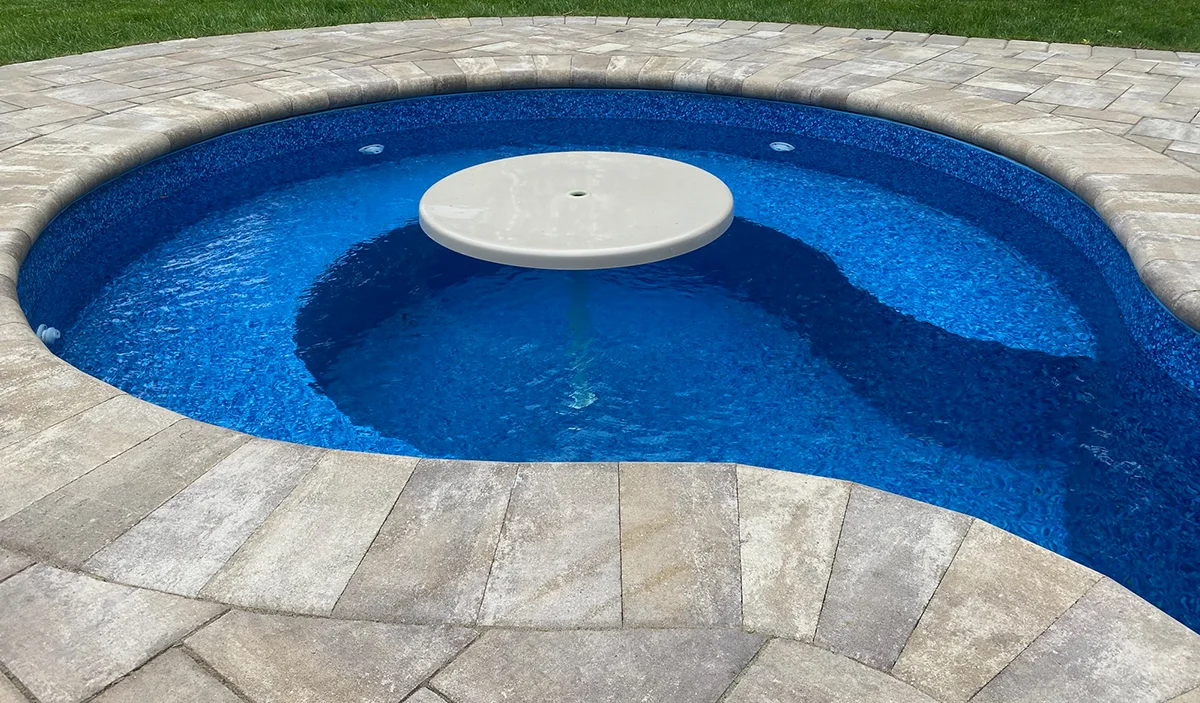
Homeowners planning a vinyl liner inground pool may also ask whether salt water is an option. In many cases, salt water can be part of the conversation, but it should be discussed in relation to the full pool design and equipment plan. The builder can explain what works with the specific project, what materials are involved, and what the homeowner should expect.
This is another reason the details matter. The liner, pool bottom, wall structure, patio, landscaping, and water system all contribute to the finished pool experience. A salt water system may affect how the pool is used and maintained, but the overall quality of the project still depends on good planning and construction. Salt water does not replace thoughtful design. It should support it.
Questions to Ask Before Choosing Salt Water
Before deciding on a salt water inground pool, homeowners should ask practical questions. Not hundreds of questions. Just the right ones. Ask how the system works. Ask what maintenance will still be needed. Ask where the equipment will go. Ask whether salt water makes sense for the pool design. Ask how the system fits with the liner, patio, landscaping, and any custom features. Also ask how the choice affects the way the pool will feel and function over time.
A pool is a long-term investment in the home. The decisions made at the planning stage can affect how enjoyable the backyard feels for years. Salt water may be the right choice. But it should be chosen because it fits the project, not because it sounds trendy.
Choosing a Salt Water Pool Starts With the Right Plan
A salt water inground pool can be a great option for Long Island homeowners who want a comfortable, inviting backyard pool experience. It can feel polished. It can fit beautifully into a custom backyard. It can support the kind of pool environment families and guests want to enjoy throughout the summer. But the system is only one part of the project.
The best results come from planning the pool, patio, landscaping, equipment, and outdoor living features together. That way, the finished backyard feels complete, not pieced together.
Specht-Tacular Pools helps Long Island homeowners plan custom pools, patios, landscaping, waterfalls, spillover hot tubs, and outdoor living features around the way the backyard will actually be used. If salt water is part of that vision, it should be part of the conversation from the start.
Frequently Asked Questions
No. Salt water pools still use chlorine. The difference is that a salt chlorine generator produces chlorine from salt in the water, instead of relying only on traditional manual chlorine additions.
No. A backyard salt water pool is not the same as ocean water. The salt level is much lower than seawater, and the pool still needs proper chemical balance and regular care.
Yes. For many homeowners, the best time to discuss salt water is during the planning stage for a new inground pool. That allows the builder to consider equipment, layout, materials, and long-term maintenance expectations.
Yes. Salt water pools still need regular water testing. The system helps generate chlorine, but homeowners still need to monitor water balance, sanitizer levels, pH, and other important factors.
Many swimmers describe salt water pool water as softer or more comfortable. The exact experience can vary, but water feel is one of the main reasons homeowners ask about salt water systems.
In many cases, salt water can be discussed as an option for a vinyl liner inground pool. The best answer depends on the pool design, materials, equipment, and builder recommendations.
Salt water may appeal to families because many people find the water comfortable for frequent swimming. Families should still understand that the pool needs regular care, testing, and proper supervision.
Ask how the system works, what maintenance is required, where the equipment will be placed, whether it fits the pool design, and how it may affect the long-term care of the pool.
It is best to discuss salt water before construction begins. That gives the builder time to plan the system properly and explain how it fits with the pool, patio, landscaping, and equipment layout.
It can be worth considering if comfort, water feel, and the overall backyard experience are important priorities. The best choice depends on the homeowner’s goals, expectations, and pool design.
A saltwater pool is not chlorine-free. It still uses chlorine to sanitize the water, but the chlorine is generated from salt through a salt chlorine generator instead of being added manually in the same way as a traditional chlorine pool. Whether saltwater is better depends on what the homeowner values most. A saltwater system may reduce the need to handle and store traditional chlorine products as often, which many homeowners see as a convenience. Many swimmers also prefer the feel of saltwater pool water when it is properly balanced. On the other hand, a saltwater system usually adds upfront equipment cost, and the generator cell will need maintenance and eventual replacement. A traditional chlorine pool may have a lower initial equipment cost, but it can require more hands-on chemical additions over time. For Long Island homeowners planning a new inground pool, the better choice depends on budget, maintenance expectations, equipment planning, water feel, and how involved the homeowner wants to be with routine pool care.