When your pool is being closed for the season, you probably are not thinking much about next summer yet. But this is one of the best times to look back at what worked well, what became frustrating and what you may want to change before another pool season begins.
After months of using the pool, the details are still fresh. Maybe the liner is starting to show its age. Perhaps the heater did not extend the season as much as you hoped. You may have spent more time than expected managing equipment, wished you had better lighting, or noticed that part of the patio collects water after heavy rain.
You do not have to make every decision now. But making a short list while closing the pool can help you separate minor annoyances from improvements that could make a real difference next year.
-
Take a Good Look at the Pool Liner
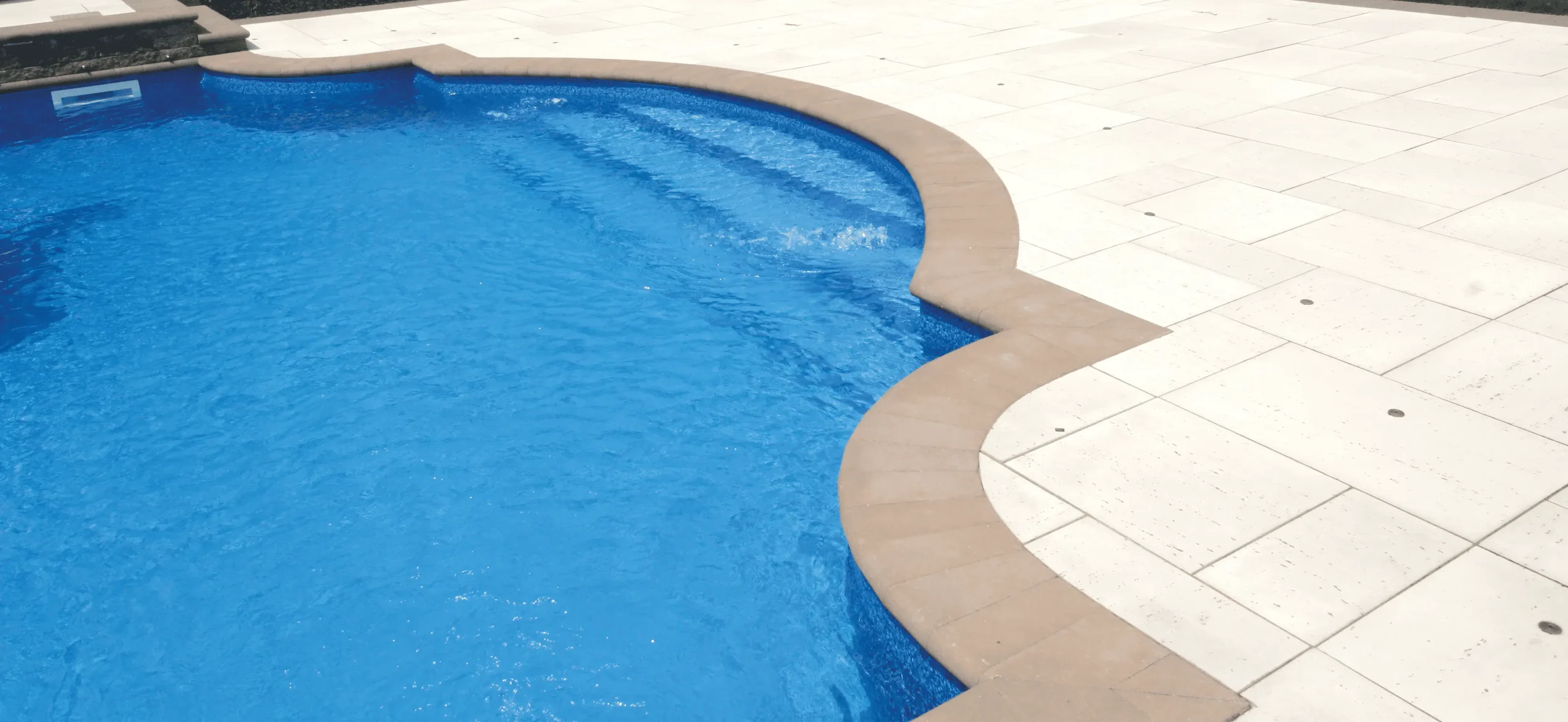
A vinyl liner can gradually change over time, so some signs of aging are easy to overlook when you see the pool every day.
Before the pool disappears under its winter cover, look for fading, wrinkles, stretching, pulling around fittings or other changes that have become more noticeable during the season.
A liner that is starting to look tired does not automatically mean it needs immediate replacement. Its condition, age and the severity of any problem all matter. However, recognizing the signs now gives you time to research your options rather than discovering an issue just as you are getting ready to open the pool.
If replacement may be approaching, this is also a good time to start thinking about whether there are other improvements you would want to coordinate with a future pool liner replacement.
-
Look at How Well Your Safety Cover Is Working
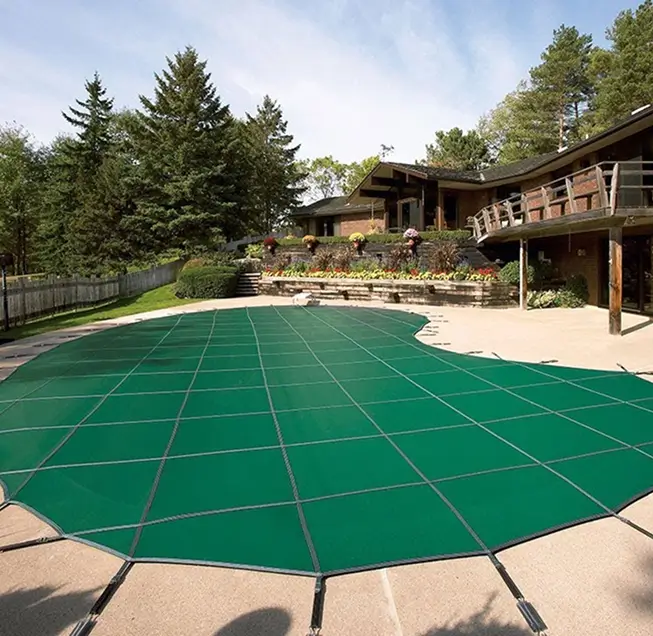
The safety cover becomes one of the most important parts of the pool once swimming season ends. When the cover is installed, look at the overall fit rather than simply whether the pool is covered. Has anything changed around the pool since the cover was originally made? Are there unusual gaps around steps, raised features or other parts of the pool? Does the cover itself show signs of wear?
Custom Loop Loc safety covers are designed around the individual pool, so changes to the pool or surrounding area can sometimes affect what will be needed when it is eventually time for replacement.
Closing season provides a natural opportunity to notice these details because you are seeing the cover fully installed instead of stored away for the summer.
-
Think Back to How Your Pool Equipment Performed
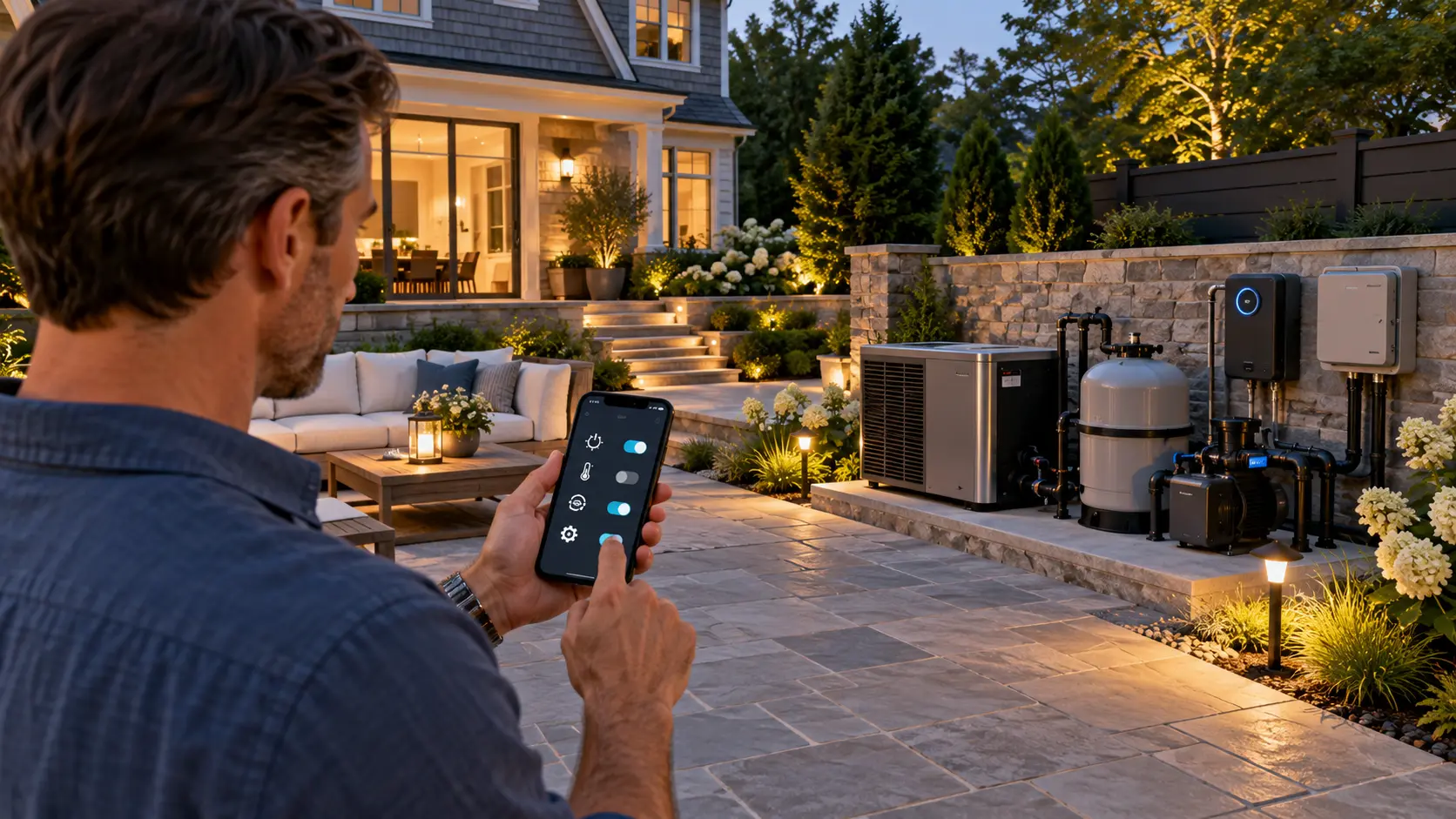
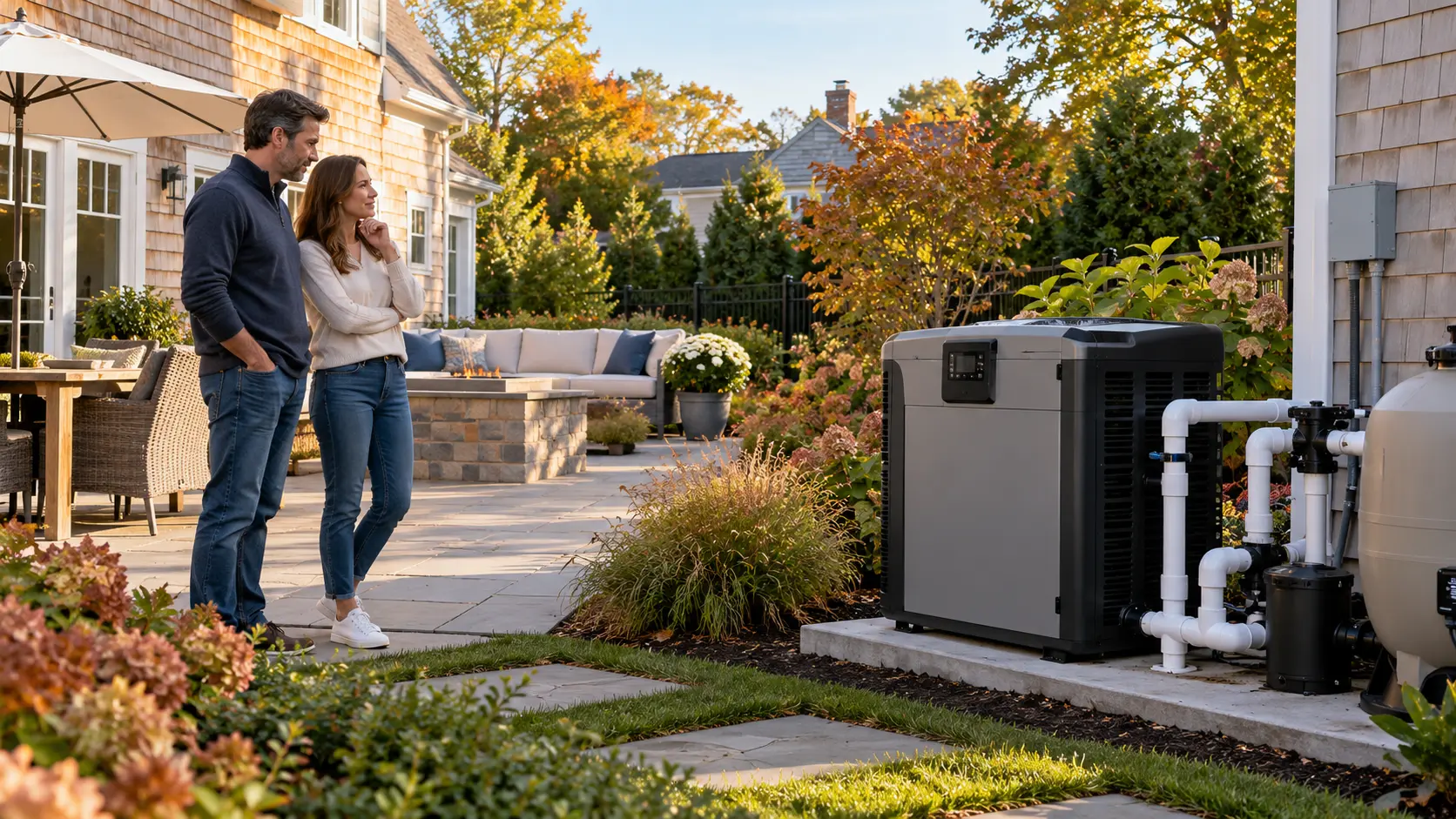
You do not need to be a pool equipment expert to know when something made owning the pool more difficult than it should have been. Think about the entire summer. Did the pump seem to run constantly? Did you spend more time managing the pool than you expected? Did the heater take too long to get the water comfortable? Was the equipment area difficult to access? Were there controls you wished you could manage remotely?
These observations can be useful even if nothing needs immediate attention. When homeowners eventually replace equipment or make larger pool improvements, knowing what frustrated them about the existing setup helps them make better decisions.
For example, homeowners considering a future upgrade may want to learn more about pool automation and smart pool controls or whether a pool heater is worth it on Long Island before next season.
-
Notice Where Water Goes Around the Pool
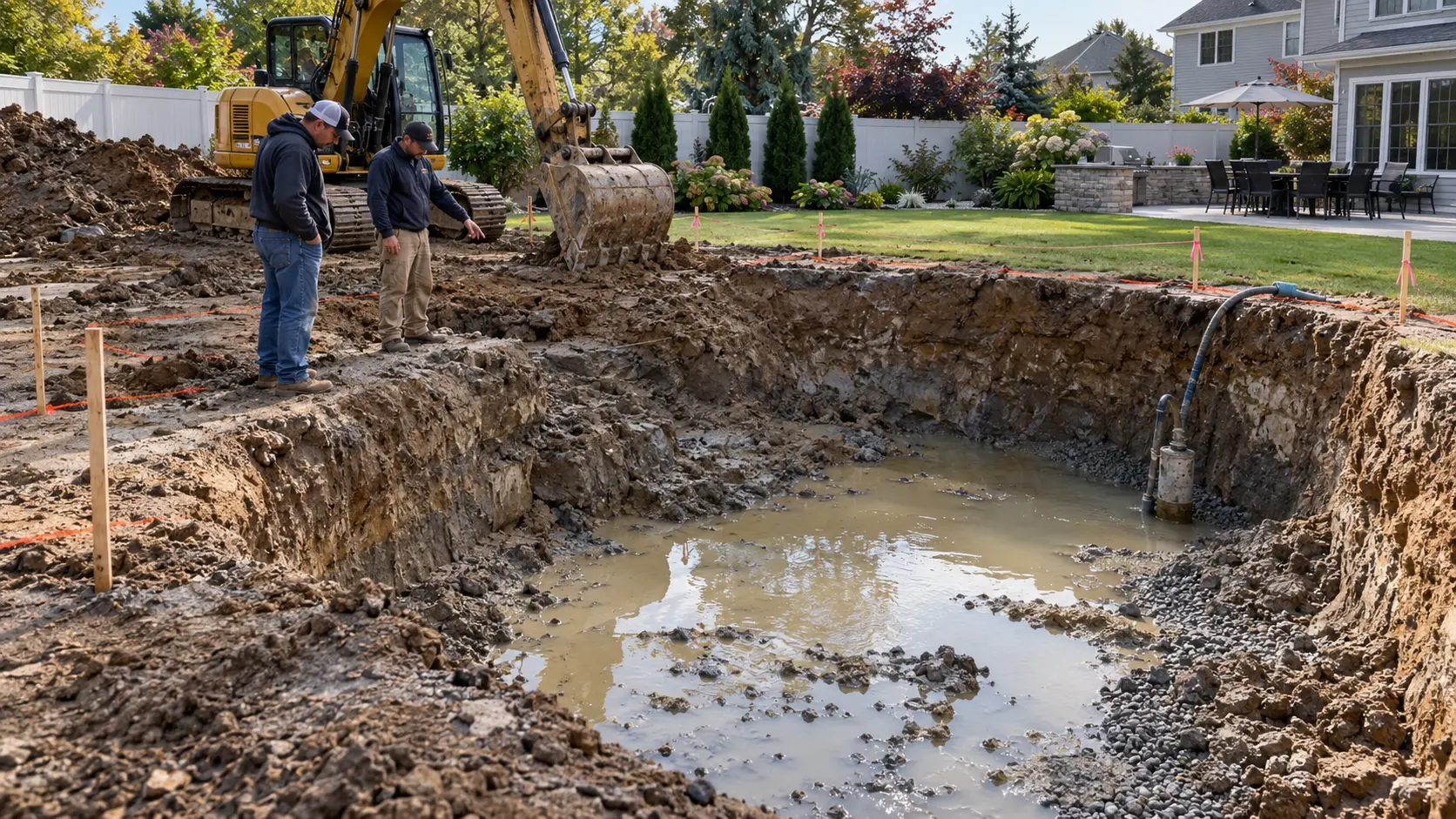
Pool owners naturally pay attention to the water inside the pool, but the water around it matters too. Think about what happened during heavy summer storms. Did rainwater collect in certain areas of the patio? Did water regularly move toward the house, pool or landscaping? Are there sections of patio that remain wet longer than the rest?
Standing water does not necessarily mean the entire backyard needs to be rebuilt. But repeated drainage issues are worth noticing, particularly if you are already considering changes to the patio or landscaping.
When a pool, patio, grading and landscape are planned as parts of the same outdoor space, drainage can be considered along with appearance and usability rather than addressed as an afterthought.
-
Ask What You Wished the Pool Had This Summer
Sometimes the best improvement ideas come from using the pool rather than looking at photographs of other backyards.
Did you wish you had another place to sit in the water? Better lighting at night? More shade? More privacy? A larger entertaining area? Easier access between the house and pool?
Maybe the pool itself works perfectly well, but the surrounding backyard no longer fits the way your family uses it. Write those ideas down now.
You may decide none of them justify a project. But if the same issue bothered you repeatedly throughout the summer, it is probably worth considering before another season begins.
-
Think About What Required Too Much Work
Every pool requires maintenance, but some features and layouts can make routine pool ownership more convenient than others. Think about what consumed the most time this season. It might have been cleaning, adjusting equipment, managing temperature, dealing with leaves, moving around the equipment area or repeatedly walking back and forth to control pool features.
Not every inconvenience requires a major upgrade. Sometimes knowing what you would like to make easier is enough to guide a future equipment or design decision.
This is especially helpful if you are considering several improvements. Instead of starting with a list of features you could add, start with the problems you would like the backyard to solve.
-
Decide What Is Worth Addressing Before Next Summer
Once the pool is covered, it is tempting to forget about it until spring. That can also mean forgetting the problems you noticed until the cover comes off and another swimming season is about to begin.
Instead, make a simple list and divide it into three categories:
Needs attention: Issues that could affect how the pool functions or that you know will need to be addressed.
Would make the pool better: Improvements that would make the pool easier, more comfortable or more enjoyable to use.
Future ideas: Bigger changes you like but are not ready to pursue yet.
You may discover that there is nothing you need to do. Or you may realize that replacing an aging liner, planning a new safety cover, improving part of the backyard or exploring new pool features makes sense before next season.
Either way, closing the pool gives you a chance to make that decision without the pressure of trying to get everything completed just before summer.
Closing the Pool Can Be a Good Time to Plan Ahead
Pool closing usually feels like the end of the season, but it can also be a useful checkpoint. You have just spent months using the pool. You know which features you enjoyed, which things frustrated you and what you would change if you could. Those observations are often much more useful than trying to remember everything several months later.
For Long Island homeowners considering a liner replacement, new safety cover, pool improvement or larger backyard project, fall is a good time to begin exploring the possibilities. Planning does not mean you have to start a project immediately. It simply gives you more time to decide what will make next year’s pool season even better.
Frequently Asked Questions
Yes. Photos can make it much easier to remember concerns you want to revisit later. Take pictures of any liner areas, patio sections, drainage problems, equipment placement or other details you noticed during the season. Once the pool is covered and winter arrives, those issues can be surprisingly difficult to remember clearly. Photos can also help you explain what you want evaluated when discussing a future project.
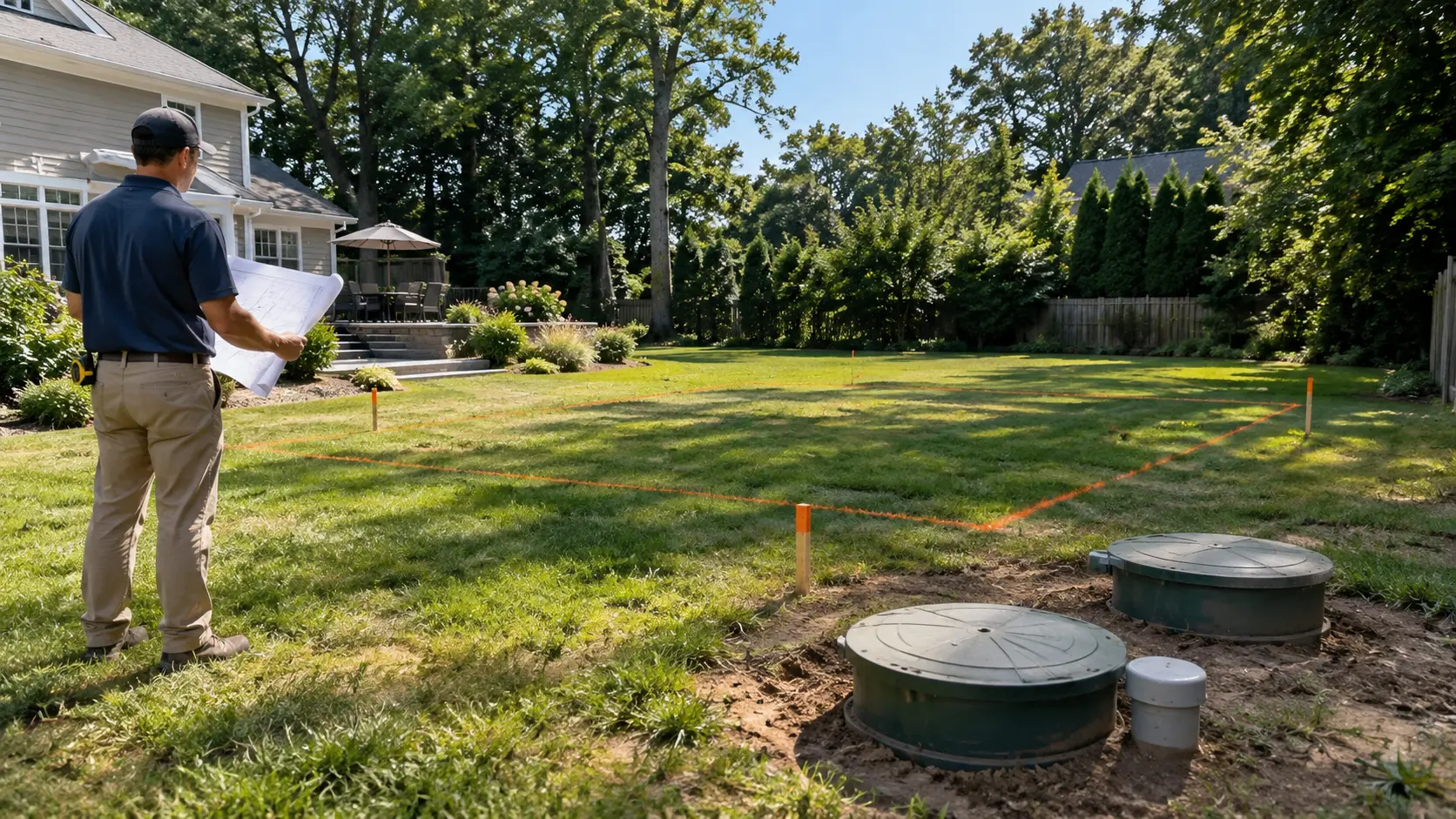
No. You can start planning months before you are ready to make any changes. Early planning gives you time to compare options, determine which improvements are worthwhile and understand whether several projects should be coordinated. This can be particularly useful when a change involves more than one part of the backyard, such as the pool, patio, landscaping or surrounding outdoor living space.
Start with issues that affect function, safety or the way you use the pool most often. Separate genuine problems from cosmetic wishes. An aging component or issue that repeatedly interferes with using the pool generally deserves attention before a feature that would simply be nice to have. Once those priorities are established, you can see whether it makes sense to combine additional improvements into the same project.
Sometimes, particularly when the improvements affect the same part of the pool or backyard. Coordinating related work can allow the pool, patio, landscaping, lighting or other features to be considered together rather than making one change and later discovering that it limits another. The right approach depends on the specific improvements, which is why it helps to identify your full wish list before deciding what to tackle first.
Record anything that repeatedly made the pool less convenient, comfortable or enjoyable. That could include equipment frustrations, areas that need more seating or shade, drainage concerns, features you wished you had, liner appearance, nighttime lighting or how people move through the backyard. Focus on your experience rather than creating a shopping list. The most useful improvements are usually the ones that solve a real problem you noticed while using the pool.