Choosing an inground pool shape can seem like one of the simpler decisions in the design process. You either like the clean lines of a rectangular pool or the softer curves of a freeform design. But once you start planning the entire backyard, the decision becomes more interesting.
The best pool shape is not necessarily the one you like most in a photo. It is the one that works with your property, your home, the way you plan to use the pool, and everything you want to build around it.
For Long Island homeowners, that can include patio space, landscaping, outdoor seating, a spillover hot tub, waterfalls, walkways, lawn, privacy features, and room for entertaining. So, when comparing a rectangular vs. freeform pool, the question is not simply which shape looks better. It is which shape makes the most sense for your backyard.
What Is the Difference Between a Rectangular and Freeform Pool?
A rectangular pool uses straight sides, defined corners, and a symmetrical geometric layout. Variations can include elongated rectangles, L-shaped designs, or other geometric configurations that maintain strong, structured lines.
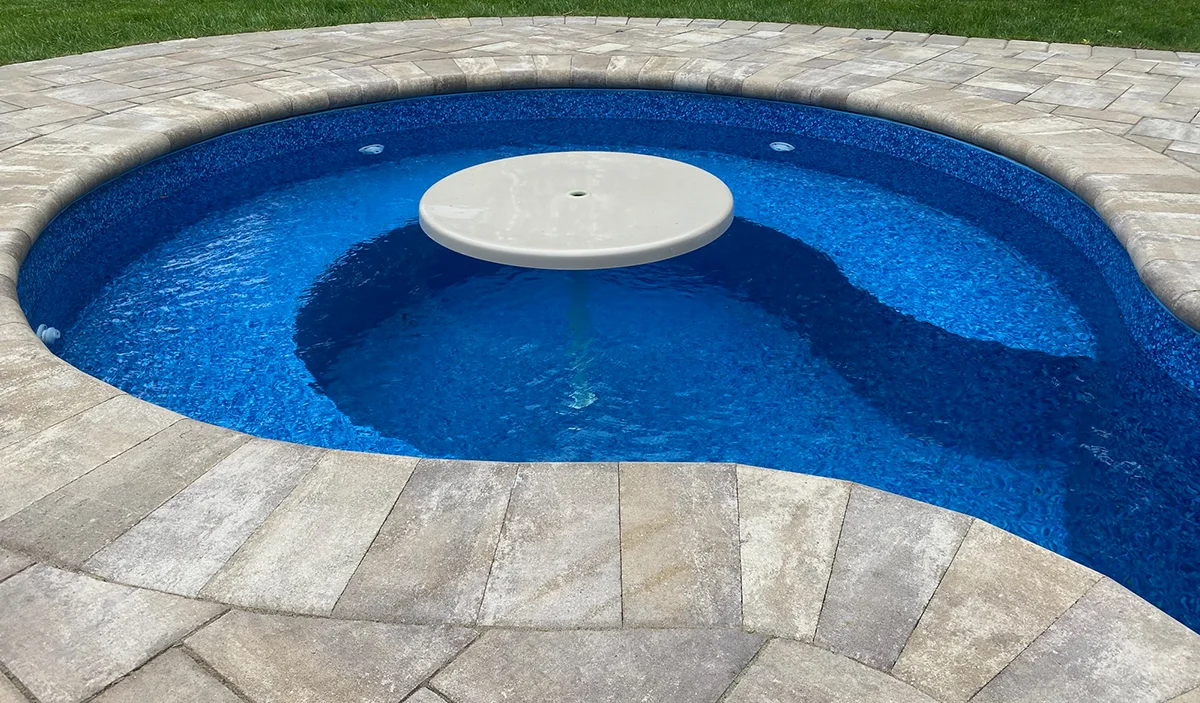
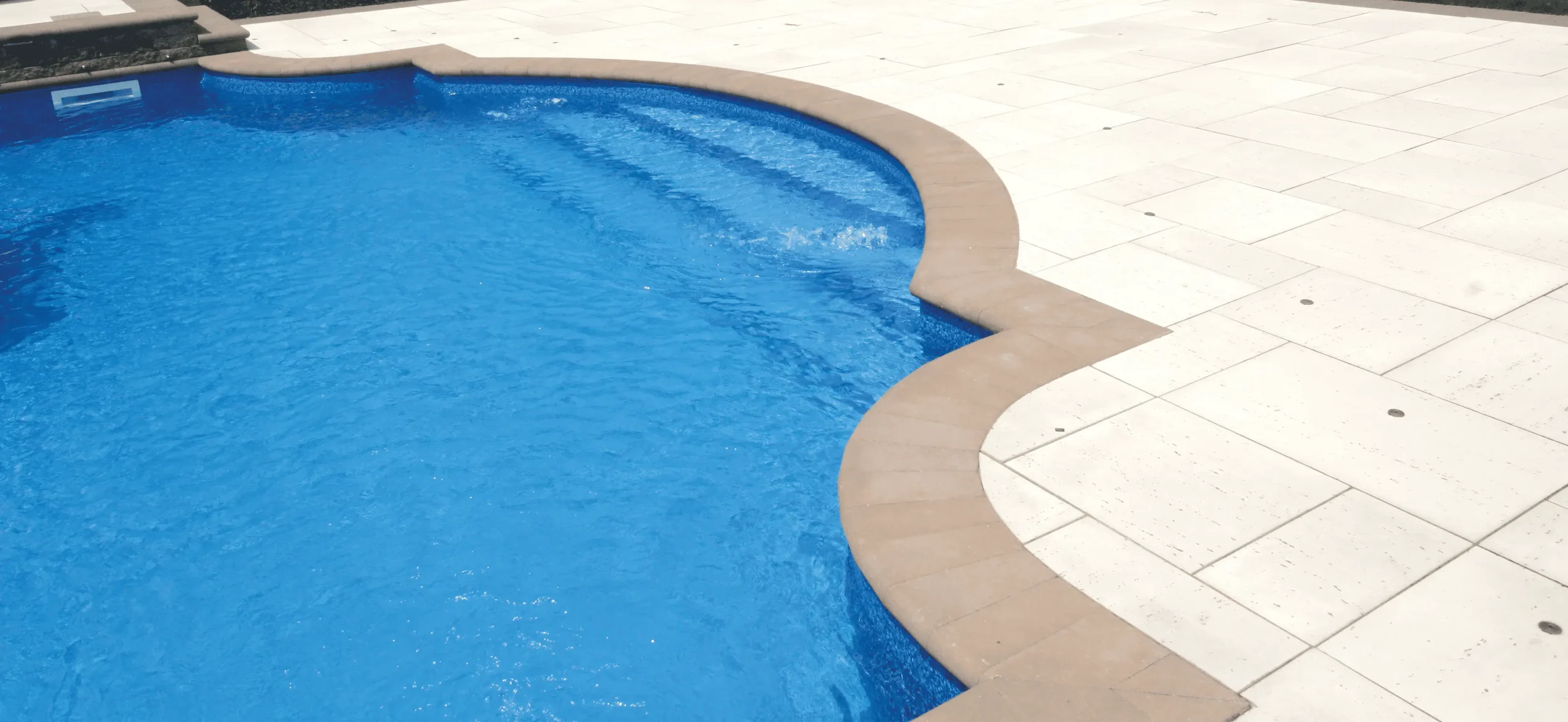
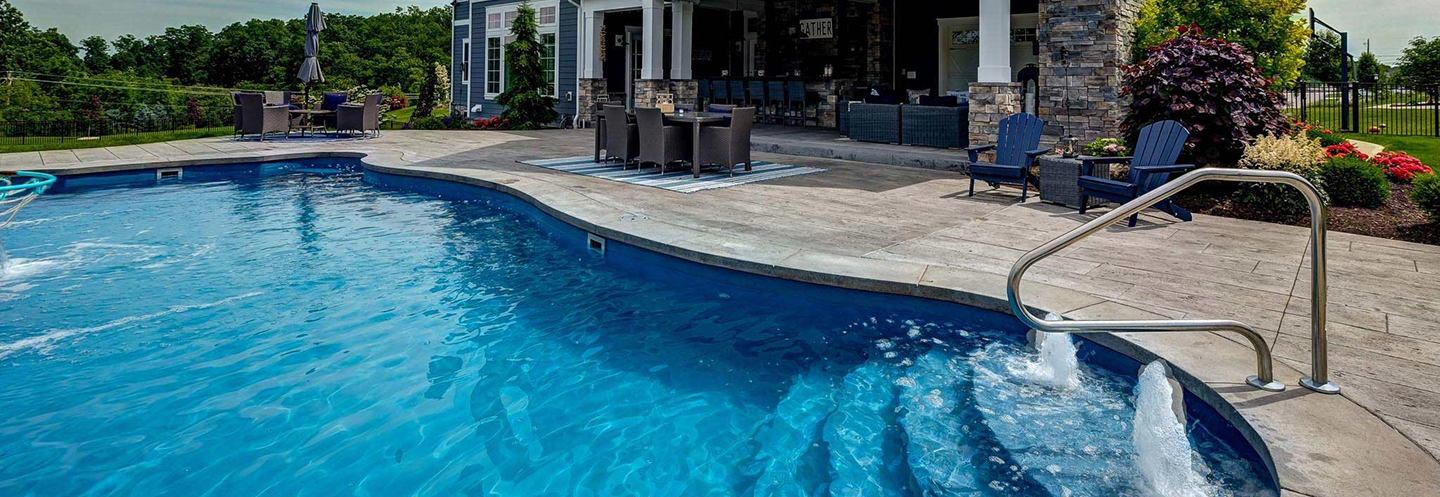
A freeform pool uses curves and less rigid geometry. The perimeter may sweep inward and outward, creating a softer shape that can resemble a natural body of water. Both can be completely custom.
A rectangular pool does not have to look basic, and a freeform pool does not have to resemble a lagoon. Materials, steps, lighting, landscaping, patios, water features, seating areas, and surrounding architecture can dramatically change the character of either design.
That is why custom inground pool design should begin with the entire property rather than choosing a shape from a catalog.
Rectangular Pools Work Especially Well With Structured Backyards
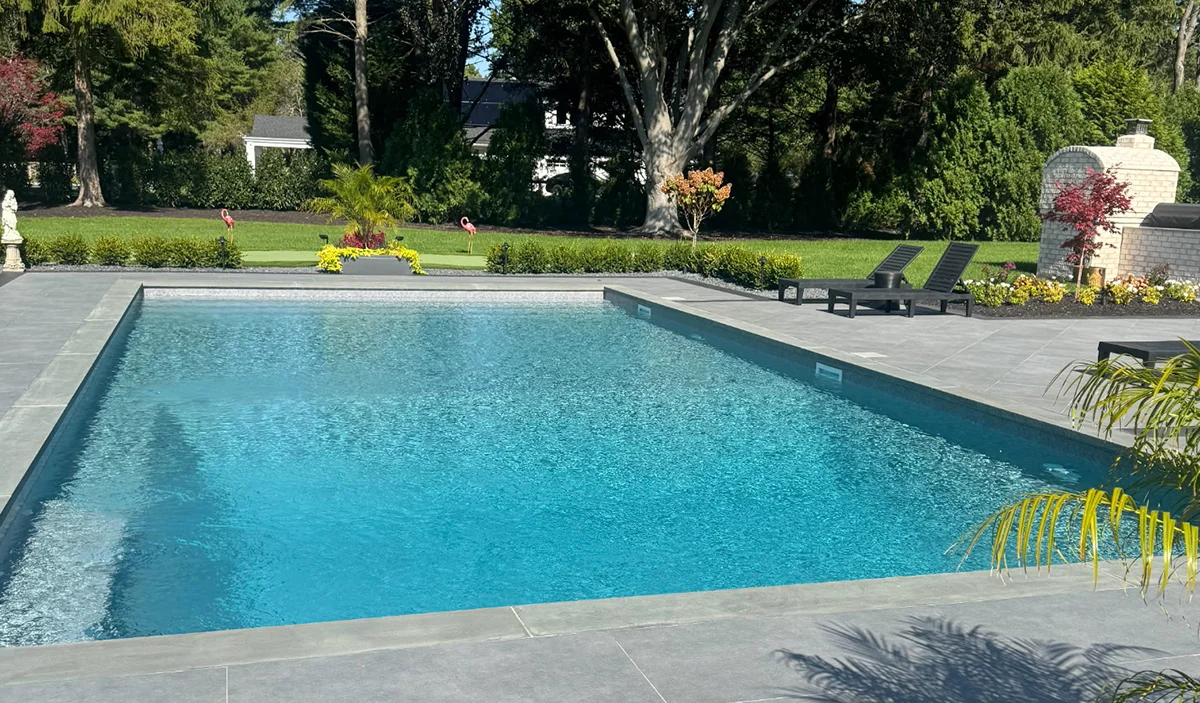 Rectangular inground pools naturally complement homes and backyards that already have strong architectural lines. If the back of the house is relatively symmetrical, the patio follows straight edges, or the homeowner wants a clean contemporary appearance, a rectangular pool can reinforce those lines. This does not mean rectangular pools are only appropriate for modern homes.
A traditional Long Island home can look equally impressive with a rectangular pool when the surrounding stone, landscaping, coping, furniture, and outdoor living areas are designed appropriately. The shape provides structure. Everything around it determines the personality.
Freeform Pools Can Create a Softer Backyard
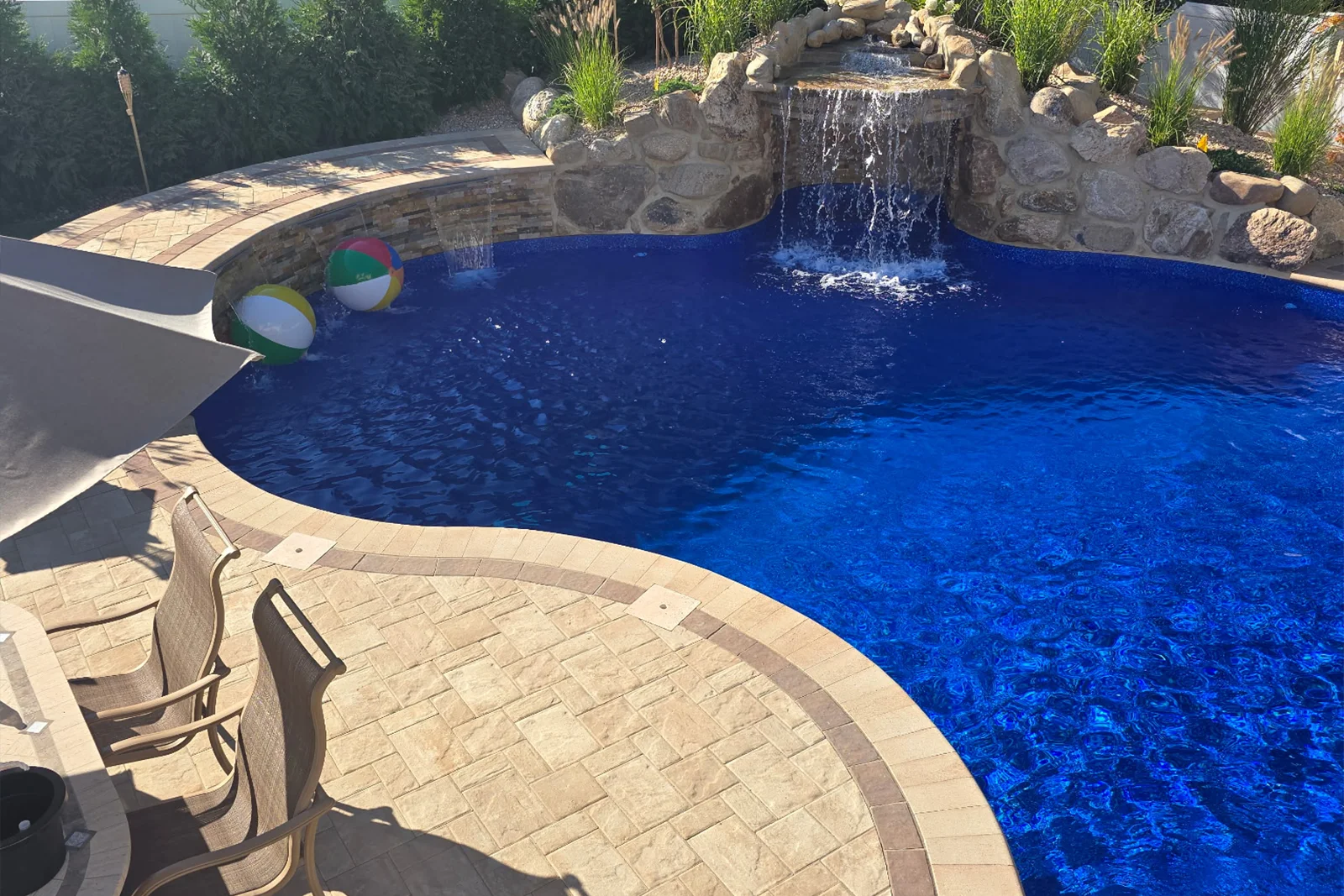 Freeform pools produce a very different visual effect. Curved edges can soften a large backyard and create a more relaxed transition between the water, patio, lawn, and landscaping. Instead of making the pool the dominant geometric feature in the yard, the design can flow through the property. That can work particularly well when landscaping plays a major role in the finished backyard.
Plantings, stonework, waterfalls, retaining walls, and other natural-looking elements can follow the curves of the pool rather than being arranged around a rigid rectangle. The result can feel less formal and more like a private backyard retreat.
Think About How You Will Use the Pool
Appearance matters, but function should influence the shape too. Someone who wants to swim laps may appreciate the uninterrupted length and straight swimming path of a rectangular pool.
A family primarily interested in playing, relaxing, cooling off, and entertaining may have much more flexibility. Either shape can work well, and the decision may come down to how different activities will be organized within the pool.
Think about what a normal summer Saturday might look like. Will several children be swimming at once? Will adults mostly gather in shallower areas? Do you want a large open swimming area? Are you picturing people sitting along a bench and talking? Will the pool be part of larger parties where guests move constantly between the water and patio? Those questions tell you more about the right inground pool shape than choosing whichever photo catches your eye first.
Consider the Space Outside the Pool, Too
One of the easiest mistakes to make during pool planning is concentrating so heavily on the water that the rest of the backyard becomes secondary. The pool is only one part of the finished space.
You may need room for lounge chairs, dining furniture, a grill or outdoor kitchen, pathways, landscaping, lawn, and places where people can comfortably walk around one another. The shape of the pool influences how all of those areas fit together.
Straight edges can make it easy to establish defined patio zones around a rectangular pool. A freeform design can create interesting pockets along the perimeter that may become seating, landscaping, or gathering areas. Neither approach is automatically better. The goal is to make the pool and the surrounding usable space work together.
The Shape Should Make Sense from the House
Your pool will be viewed from inside your home far more often than most homeowners initially realize. You may see it from the kitchen every morning, through sliding doors while sitting in the family room, or from a second-story bedroom throughout the year. That view matters.
A geometric pool can reinforce the architecture of the home and create strong sightlines from windows and doors. A curved pool can create a softer visual transition from the house into the landscape.
Orientation matters too. Simply rotating or repositioning the same pool shape can completely change how the backyard feels.
This is one reason we recommend thinking about how an inground pool design connects to the home before settling on the final layout.
Think About the Features You Want to Add
The shape of the pool should also support the features that matter most to you.
You may want:
- Wide entry steps
- A tanning ledge or sun shelf
- Built-in seating
- A spillover hot tub
- A waterfall
- Sheer descents or other water features
- Areas for younger children to play
- Deeper swimming areas
These features can be incorporated into many different inground pool shapes, but they should be planned at the same time as the pool rather than squeezed into the design afterward.
For example, a prominent set of entry steps may become part of the symmetry of a rectangular pool. In a freeform design, seating or steps might be incorporated along one of the curves.
The feature itself does not necessarily determine the shape. How you want the feature to function within the overall design does.
Your Home’s Architecture Can Help Guide the Decision
Sometimes the house makes the choice easier. A contemporary home with crisp lines, large windows, and a minimalist patio may naturally suggest a rectangular or geometric pool.
A home surrounded by mature landscaping or a more informal backyard may lend itself beautifully to a freeform design. But there is no rule that says the styles must match perfectly. Contrast can work too.
A simple geometric pool surrounded by lush landscaping can create a striking balance between architecture and nature. A thoughtfully designed freeform pool can add softness behind a home with stronger structural lines.
The objective is not matching styles according to a formula. It is creating a finished backyard that feels intentional.
Do Not Choose a Pool Shape Without Looking at the Entire Yard
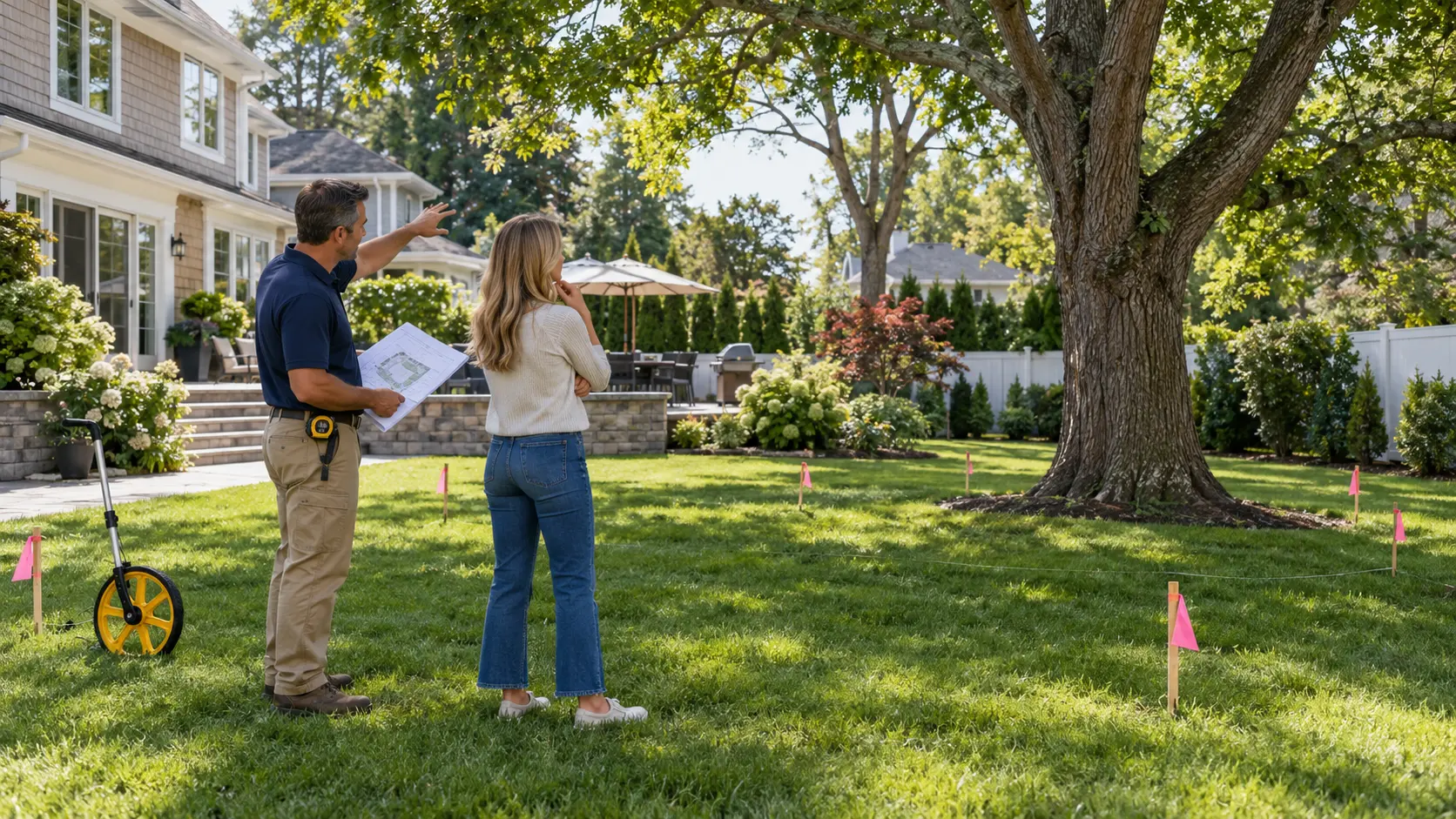
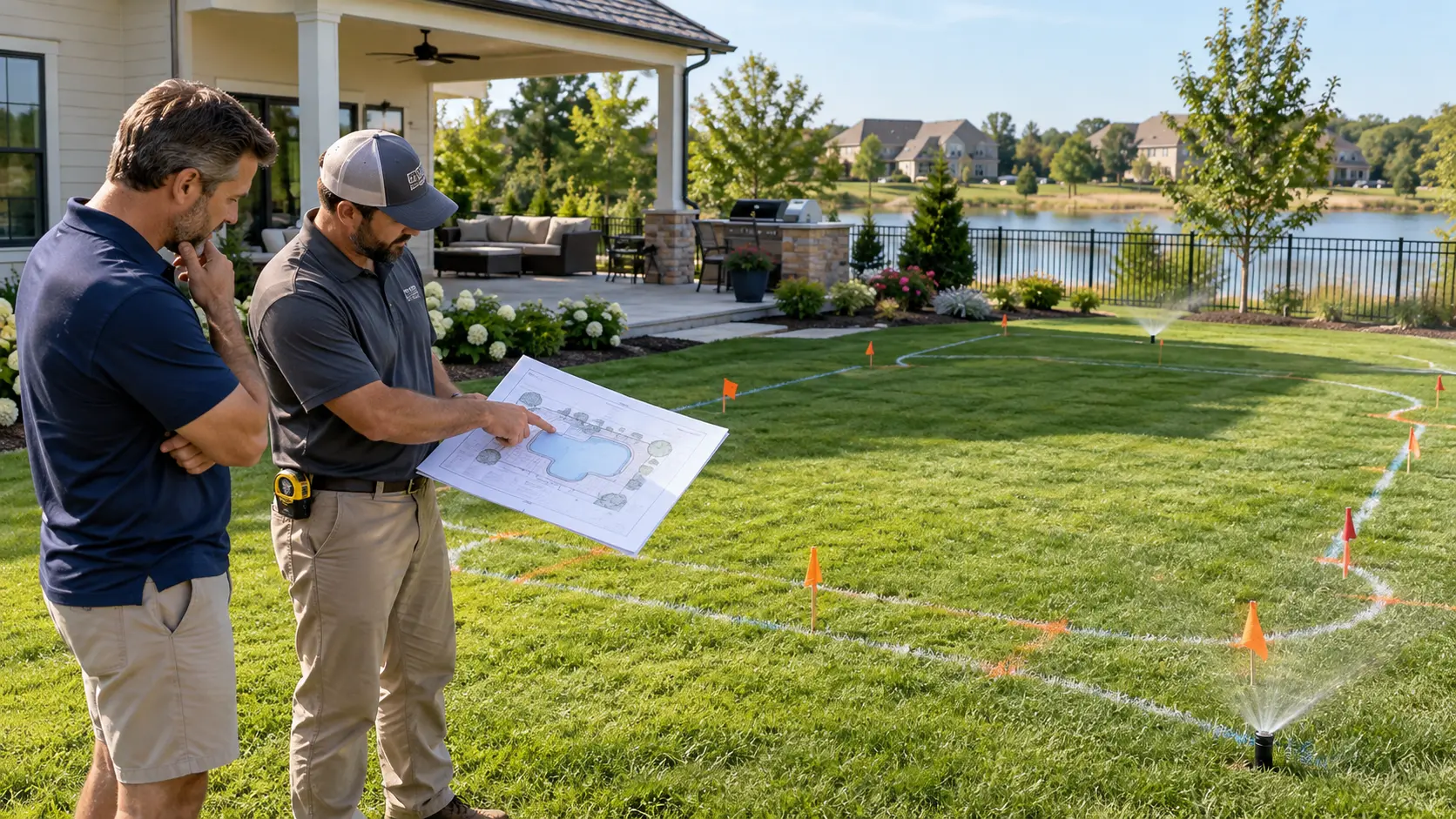
The part of the property available for the pool is not always the same as the entire open area you can see from the back door. Setbacks, property lines, utilities, septic systems, drainage, grading, access, existing structures, and other property conditions may influence the usable area. That is why two apparently similar Long Island backyards can require very different pool layouts.
If you are unsure how much of your property may be usable, start by looking at what determines whether a Long Island backyard can fit an inground pool.
Once the practical limitations of the property are understood, the design process can focus on making the available space work as well as possible.
Rectangular vs. Freeform Pool: Which Is Better?
There is no universal winner. Choose a rectangular or geometric pool because its structure works with your home, swimming preferences, patio plan, and overall backyard design.
Choose a freeform pool because its curves work naturally with the landscape, desired atmosphere, property layout, and the way you want the outdoor space to flow.
Do not choose either simply because someone tells you that one style is more modern, more luxurious, or better for every backyard. Some of the most impressive Long Island pools are rectangular. Others are completely freeform.
What makes them successful is not the category they belong to. It is how well the design responds to the specific property.
Start With the Backyard, Not the Pool Shape
If you are planning a custom inground pool on Long Island, it can help to postpone the final shape decision until you have considered the backyard as a whole.
Look at the home. Look at the usable property. Think about how you want to swim, relax, entertain, and move through the space. Decide how much patio, landscaping, lawn, and outdoor living space you want to preserve. Then let the pool shape support those priorities.
Specht-Tacular Pools designs and builds custom inground pools throughout Long Island, including geometric and freeform designs. By planning the pool together with the surrounding patio, landscaping, water features, and outdoor living areas, the finished backyard can feel like one connected space rather than a collection of separate additions.
Related Inground Pool Planning Articles:
Custom Vinyl Liner Inground Pools on Long Island
Vermiculite Pool Bottoms
Salt Water Inground Pool
Sloped or Hilly Backyard Pools
Private Inground Pool Design
Pool Steps, Benches, and Tanning Ledges
Backyard Layout and Pool Design
What No One Tells You Before Building an Inground Pool
Should You Replace A Pool Liner in Fall or Wait Until Spring?
Frequently Asked Questions
Yes. Choosing a rectangular pool does not require every feature to consist of straight lines. Entry steps, benches, sun shelves, spas, landscaping, and surrounding patio areas can introduce different shapes while the main pool maintains its geometric form. This can be a good way to preserve the clean appearance of a rectangular pool while adding features tailored to the way your family wants to use it.
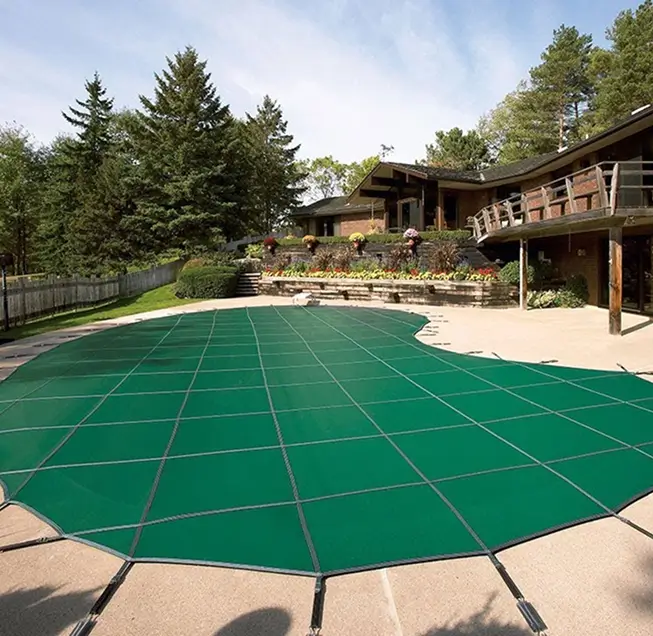
Pool shape can influence how a cover is designed, but both geometric and freeform pools can be protected with properly fitted pool covers. More complex outlines, attached spas, raised features, or unusual edges may require additional customization. Cover planning should therefore be considered during the pool design process rather than waiting until the pool is complete.
Yes. Custom pool design does not have to fit perfectly into one category. A pool might have predominantly straight architectural lines while incorporating a curved section, custom entry area, attached spa, or other feature that changes the outline. The important consideration is whether the combination looks intentional and works with the rest of the backyard.
You can certainly have a preference, but you do not need to make a final decision first. Photos of pools you like are useful because they show a designer what appeals to you. A site review and design process can then determine how those ideas might work on your property. Sometimes homeowners begin certain they want one shape and discover that a different layout makes much better use of their backyard.
A custom pool shape does not prevent future liner replacement. Vinyl pool liners can be manufactured to fit the dimensions and contours of custom pools. Accurate measurements become especially important with custom curves, steps, benches, and other features so the replacement liner is made for the specific pool rather than treated as a standard-size installation.