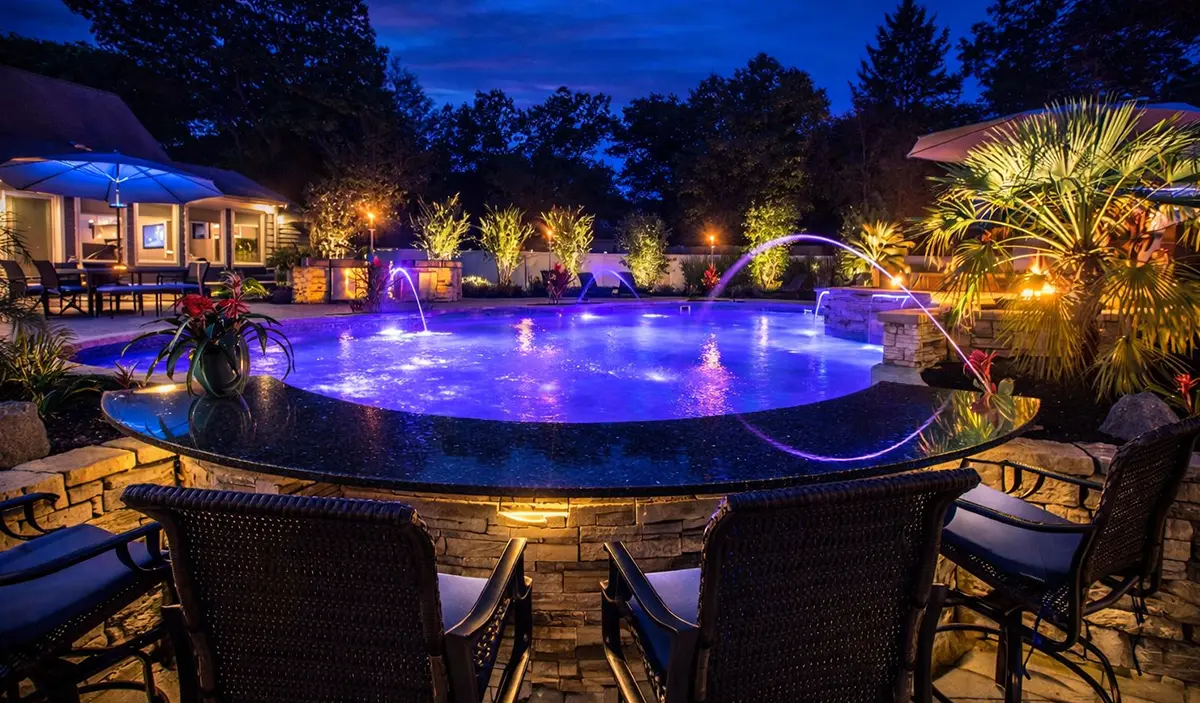
When Long Island homeowners plan a new pool, or look at upgrades before next summer, the conversation often starts with shape, color, and the view from the house. Those choices matter. What also matters is how the pool feels to live with once opening weekend turns into weekly care, and once colder weather means the backyard shifts into the off-season.
This post is for homeowners designing a new custom vinyl inground pool on Long Island, or planning upgrades before the next swim season. It is not a how-to for putting a pool away for winter. The end of summer simply makes people notice what was hard to live with: awkward equipment access, a cover that never fit cleanly, a tired liner, patio puddles, landscaping that dropped debris all season, and too many trips to the equipment pad. The design choices below make day-to-day ownership and the off-season transition smoother, and they point you to the Specht-Tacular work that supports those goals.
Why the End of Summer Reveals Design Choices Worth Making Now
After a full summer of swimming, the details are still fresh. That is why our post on things to evaluate before next season treats that checkpoint as a planning moment. You remember which equipment felt fussy, where leaves collected, which patio spots stayed wet, and whether the cover went on smoothly.
For a new project, those observations become design questions. For an existing backyard, they become a short upgrade list before next summer, when Long Island pool calendars fill quickly. Specht-Tacular does not provide pool closing or maintenance services. We do provide the design, construction, liner, cover, patio, and landscape work that make ownership smoother once those pain points are clear.
Put Equipment Where You Can Reach It Without Fighting the Yard
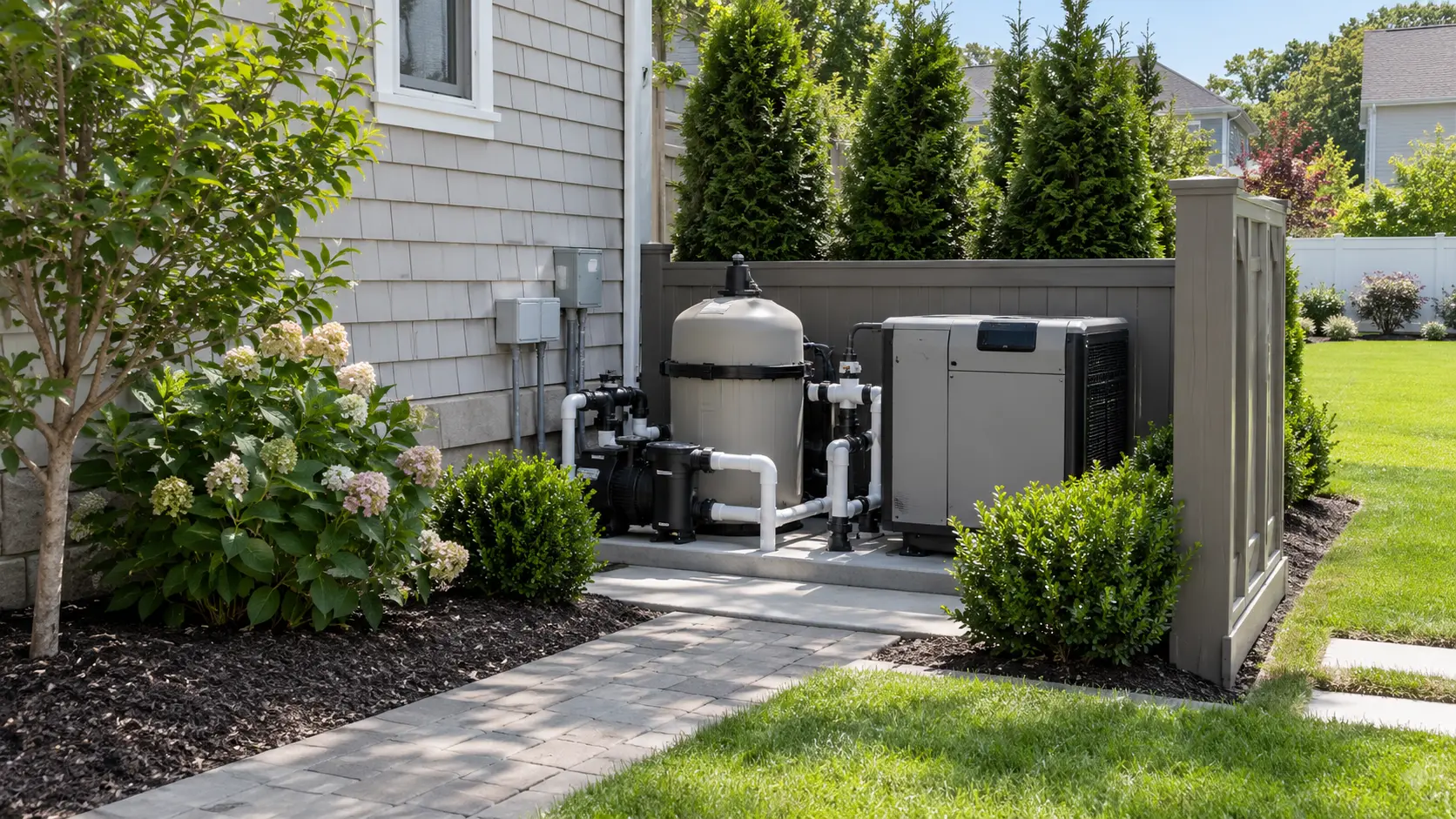
Pool equipment is easy to leave as an afterthought until the pad is squeezed into leftover space. That decision follows you every time something needs attention and every time the system is prepared for the off-season. Our guide on where pool equipment should be located covers the balance of efficiency, noise, screening, and service access.
For easier ownership, a few placement principles help:
- Keep plumbing runs practical. Equipment does not have to sit beside the lounge chairs, but extremely long or complicated runs make the system harder to live with.
- Leave working room around the pump, filter, heater, and controls. A tight pad looks neat on paper and becomes frustrating the first time a filter needs service.
- Screen the equipment without burying it. Landscaping and fencing can hide the pad, as long as there is a clear path and enough airflow for equipment that needs ventilation.
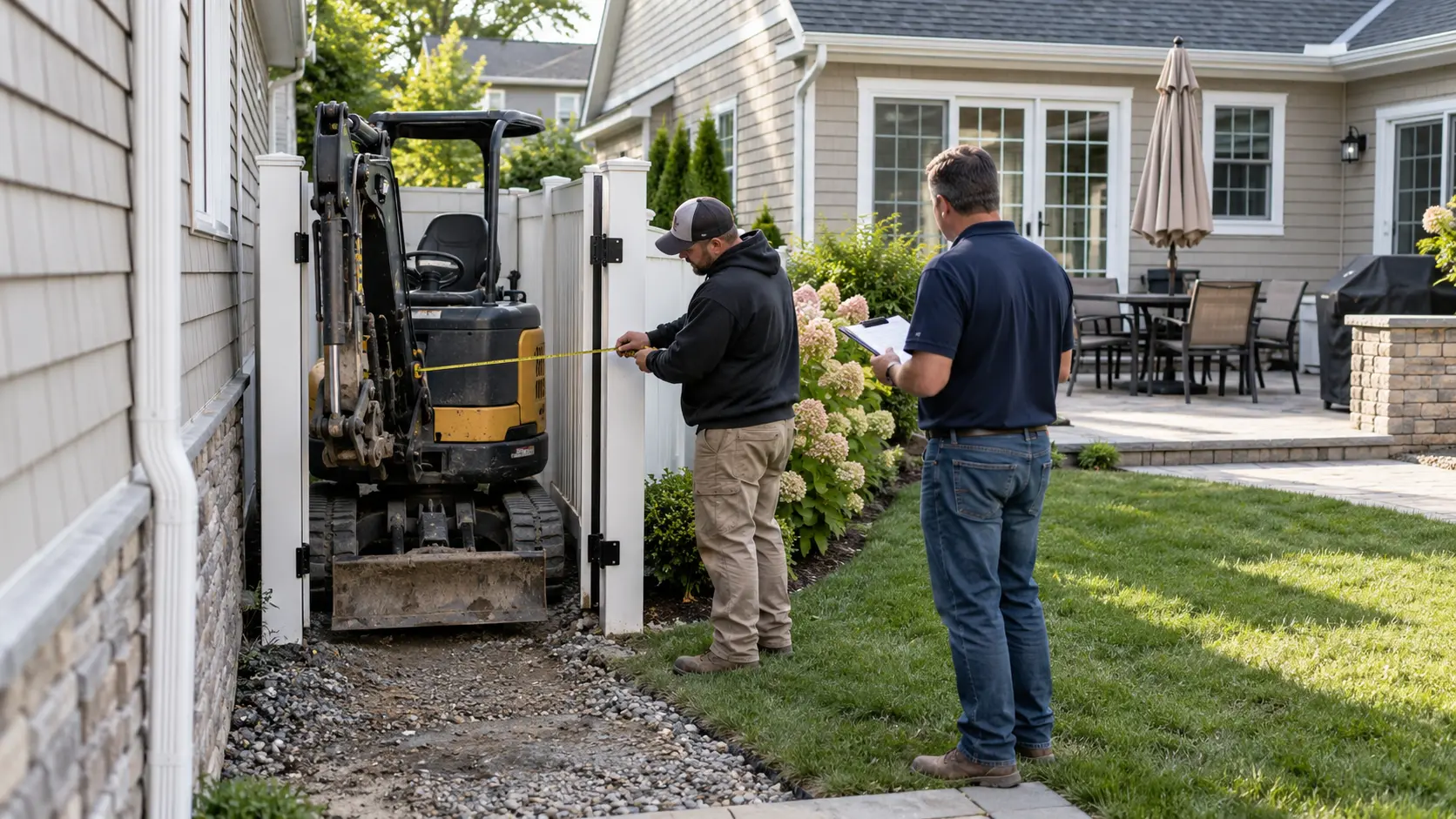
- Plan gates and routes for future replacements. Bulky components need a path out of the yard someday.
On Long Island winters, freeze protection starts with design. Equipment that is easy to reach, plumbing planned with the off-season in mind, and a layout that does not force workarounds make seasonal transitions cleaner for whoever prepares the pool. That is freeze protection through design: location, access, and plumbing decisions made while the backyard is still on paper.
Choose Equipment That Is Easier to Live With Day to Day
Not every pool needs every upgrade. The equipment that makes ownership easier is usually the equipment you interact with often, planned as one system rather than separate switches.
Pool automation and smart pool controls can bring filtration schedules, heating, lighting, and water features into one interface. That means fewer walks to the equipment pad and clearer control over what runs when. For homeowners who want the pool ready on cooler spring or fall days, pair that conversation with whether a pool heater is worth it on Long Island. Even if you add the heater later, planning pad space, plumbing, and utilities during construction keeps the upgrade from disturbing a finished patio.
Variable-speed pumps, thoughtfully sized filtration, and compatible controls are often easier to live with than older setups with scattered timers. The goal is equipment you can understand, reach, and schedule without constant fuss.
Plan the Safety Cover Into the Pool Design
A custom Loop-Loc safety cover protects the pool through the Long Island off-season and supports safer conditions around the water. From an ownership angle, cover fit is a design issue as much as a product choice.
Raised walls, spas, steps, and later patio changes can all affect how cleanly a cover sits. When the cover is measured and installed for the pool you have, the off-season is simpler: fewer gaps, better debris management on top of the cover, and more confidence through freeze-and-thaw weather. If an older cover is stretched, damaged, or no longer matching the pool, see when to replace a Loop-Loc safety cover before another winter.
Planning the cover early also means the pool shape and surrounding hardscape are designed with anchors and a secure fit in mind. That is one of the clearest ways a pool can be designed for a smoother off-season, without turning the homeowner into the person doing seasonal prep work.
Vinyl Liner Choices That Support Easier Ownership
Specht-Tacular specializes in custom vinyl liner inground pools built with concrete walls and a vermiculite pool bottom. For many Long Island families, that approach pairs a solid structure with a smooth surface renewed through liner replacement rather than a full resurfacing project.
Vinyl liner pools reward steady water care and gentle brushing, and they give you a clear renewal path when the surface ages. Liner pattern and color also shape how the pool looks year after year beside the patio and plantings. When a liner is nearing the end of its useful life, timing the replacement thoughtfully keeps next season from starting in a rush. Our post on replacing a pool liner in fall or spring explains how to evaluate that decision. A liner replacement can also coordinate related upgrades, such as updated steps or lighting, while the pool is already open for that work.
Grade the Patio So Water Does Not Become Weekly Work
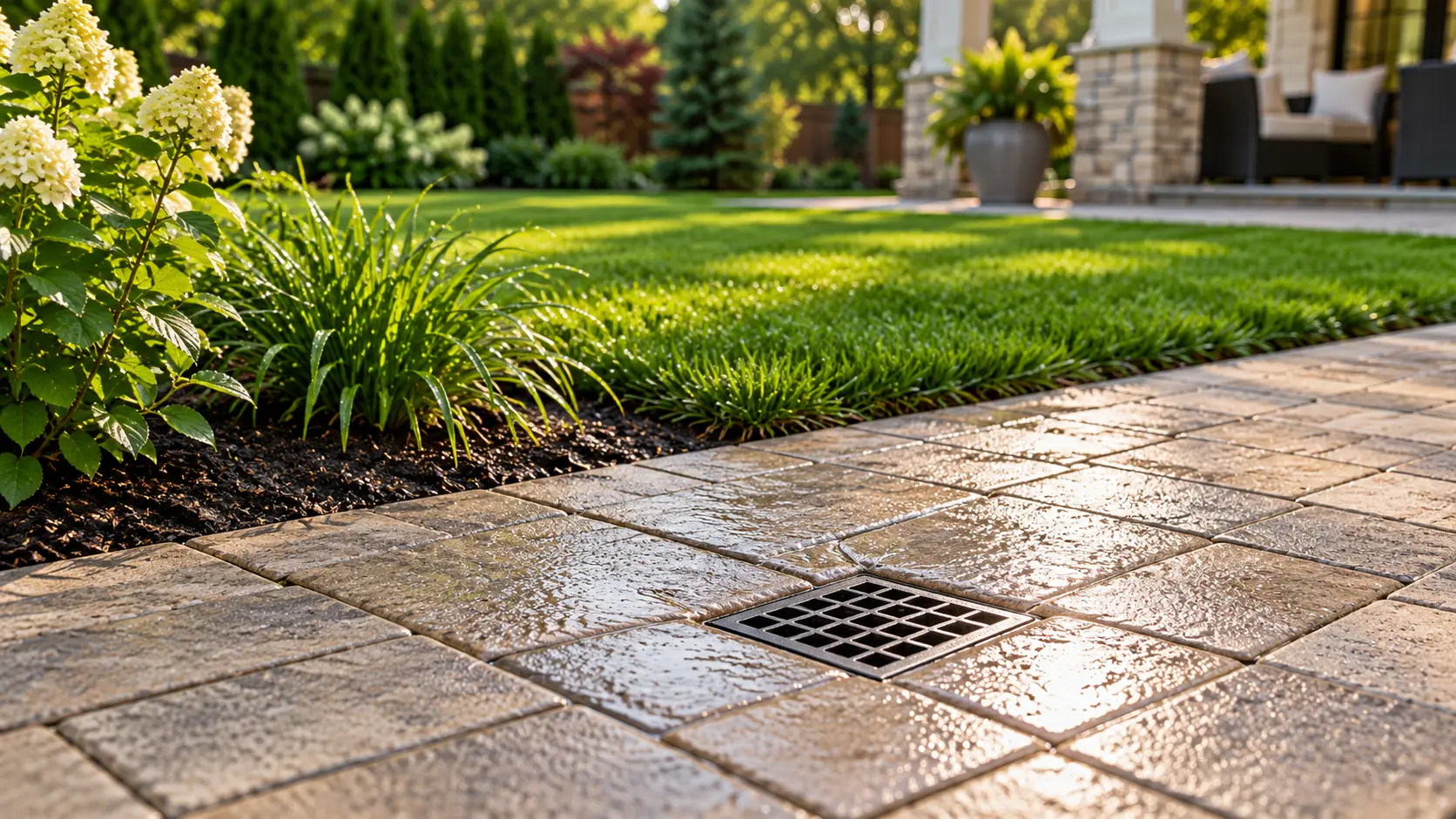
Standing water after a Long Island thunderstorm is more than an inconvenience. Wet stone stays slippery, plantings suffer, and runoff toward the pool or house creates ongoing headaches. Drainage around an inground pool belongs in the original design, when grading, patio pitch, and planting beds can still be coordinated.
A drainage plan that supports easier ownership usually means:
- Patio surfaces pitched so rain moves away from the house and does not pond in seating areas.
- Grades that keep surrounding yard water from washing into the pool.
- Channel or surface drains where low spots, doors, or elevation changes need them, with a clear place for collected water to go.
- Landscape beds that frame the pool without trapping runoff against the coping.
Fixing drainage after the patio and plantings are finished often means undoing finished work. Designing it once with the pool and hardscape is one of the highest-leverage choices you can make for easier ownership.
Landscaping That Frames the Pool Without Feeding It Debris
Plantings finish a backyard, create privacy, and soften stone edges. They also decide how much leaf litter and seed drop you manage all summer. Thoughtful landscape design keeps the pool feeling private without turning every breeze into a skimmer full of debris.
For ideas that work around the water, see poolside landscaping for Long Island inground pools. In towns like Center Moriches, Middle Island, and Rocky Point, yards vary in wind, tree cover, and lot size, so plant choices should match the property. Keep taller deciduous trees a sensible distance from the water when you can, leave clear paths to the equipment and cover anchors, and plan beds so they do not block access around the pool when the season changes.
Decide During Construction What Is Hard to Add Later
Some upgrades are easy to add after the first season. Others require plumbing, conduit, structural changes, or cutting into a finished patio. Our guide to pool features to install during construction draws that line clearly.
If you want a pool that is easier to own over time, construction is the moment to settle:
- Built-in steps, benches, and ledges that match how your family enters and uses the water.
- Extra conduit and electrical capacity for future lighting or controls.
- Plumbing preparation for a heater or water feature you may add later.
- Equipment pad space sized for today’s gear and tomorrow’s upgrade.
- In-pool lighting locations, which are far simpler before the shell and patio are finished. For ideas once that infrastructure is planned, see pool lighting ideas for Long Island.
You do not need every feature on day one. You do need to avoid a layout where a modest future upgrade requires a major dig. Pool shape matters too: complicated corners can collect debris and make cover fitting more precise, while wide patio bands and sensible gates make day-to-day ownership easier.
Plan Upgrades Now So Next Summer Starts Smoother
If you already have a pool, use the end of the swim season and early fall to turn frustrations into a short list: liner condition, cover fit, equipment access, drainage spots, and landscaping that drops too much debris. Then decide what belongs before next season. Specht-Tacular can help with liner replacements, Loop-Loc covers, patio and landscape work, and new Long Island inground pools when a larger change is the right answer.
If you are still planning, bring ownership questions into the first design meetings. Ask where the equipment will sit, how the cover will fit, how the patio will drain, which features need conduit now, and how the plantings will behave in fall. Custom pool design on Long Island works best when daily habits are part of the drawing.
To talk through a new pool or a targeted upgrade, start with our pool design and construction services, or contact Specht-Tacular Pools in Center Moriches at 631-696-3900.
Frequently Asked Questions
Accessible equipment placement, practical plumbing, good patio drainage, cover-ready pool geometry, and landscaping that limits debris all make an inground pool easier to own. Day-to-day ownership gets simpler when the pump and filter are easy to reach, the patio sheds water instead of holding puddles, and plantings frame the pool without constantly filling the skimmer. Planning those pieces during design, along with automation for equipment you use most, keeps the backyard from becoming a chore. Specht-Tacular plans custom vinyl inground pools on Long Island with patio and landscape included so easier ownership is part of the layout.
Yes. Equipment access, plumbing layout, and a safety cover planned with the pool shape all make the off-season transition cleaner and less awkward. Seasonal prep goes more smoothly when equipment is reachable, plumbing was laid out with the off-season in mind, and a custom Loop-Loc safety cover fits the pool's steps, spa, and edges. Those are design decisions made during construction or major renovation. Specht-Tacular does not close or maintain pools for homeowners, but we design and build the pool, cover, and surrounding work that support a smoother off-season transition.
Equipment that is compatible, reachable, and controllable as one system is usually easiest to live with, especially variable-speed pumps with clear filtration and optional automation. Homeowners tend to have an easier time with setups they can understand and schedule. Automation can centralize filtration, heating, and lighting for the features you use often. Leaving room on the equipment pad for service and future upgrades also keeps the system practical over the life of the pool.
Yes. Equipment that is hard to reach, poorly screened, or packed into a tiny pad makes routine attention and seasonal prep harder every year. Placement affects noise, plumbing efficiency, airflow for heaters, and whether screening plants block access. A balanced location keeps the patio pleasant while preserving a clear path for inspection, cleaning, and eventual equipment replacement. Discuss placement while the pool and patio are still being designed.
Consider equipment pad space, conduit and plumbing for likely upgrades, drainage and patio pitch, cover fit, and plantings that will not overwhelm the water with debris. Construction is the least expensive time to prepare for heaters, lighting, automation, and water features you may want later. It is also the right time to lock in grades that keep the patio dry and a pool shape that works with a safety cover. Reviewing features to install during construction helps you separate must-have infrastructure from optional add-ons.
Many Long Island homeowners find vinyl liner pools practical to own because the surface is smooth and renewed through liner replacement, with steady water care as the main routine. Specht-Tacular builds vinyl liner pools with concrete walls and a vermiculite bottom, which gives a solid structure under a comfortable swimming surface. Balanced water, gentle brushing, and timely liner evaluation keep the pool looking and feeling good. When a liner ages, fall or spring replacement planning can prevent a rushed start to the next season.
A well-fitted safety cover protects the pool through winter, limits debris in the water, and supports safer conditions around the pool during the off-season. Cover performance depends on fit as much as material. Anchors, straps, and the pool's shape and features all need to work together. A custom Loop-Loc cover measured for your pool makes the off-season simpler than a poor fit with gaps or fighting edges. If an existing cover is worn or no longer matches the pool, evaluate replacement before another Long Island winter.